Warsaw Barbican (Warszawa) — Complete Visitor Guide
A 16th-century red-brick fortification at the edge of Warsaw's Old Town. Opening hours, ticket prices, history and a self-guided walking route — all in one guide.
A Gateway Through Six Centuries
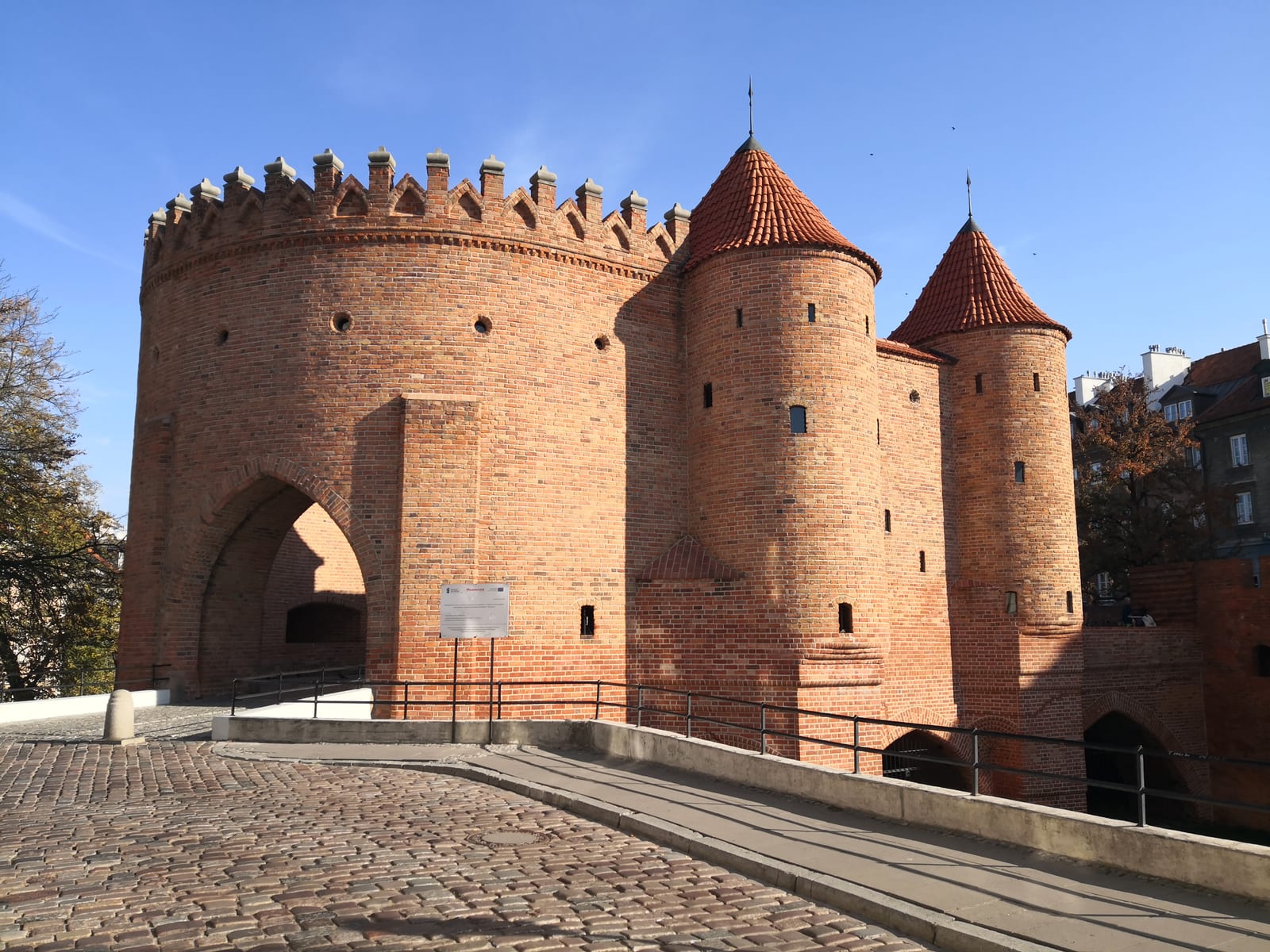
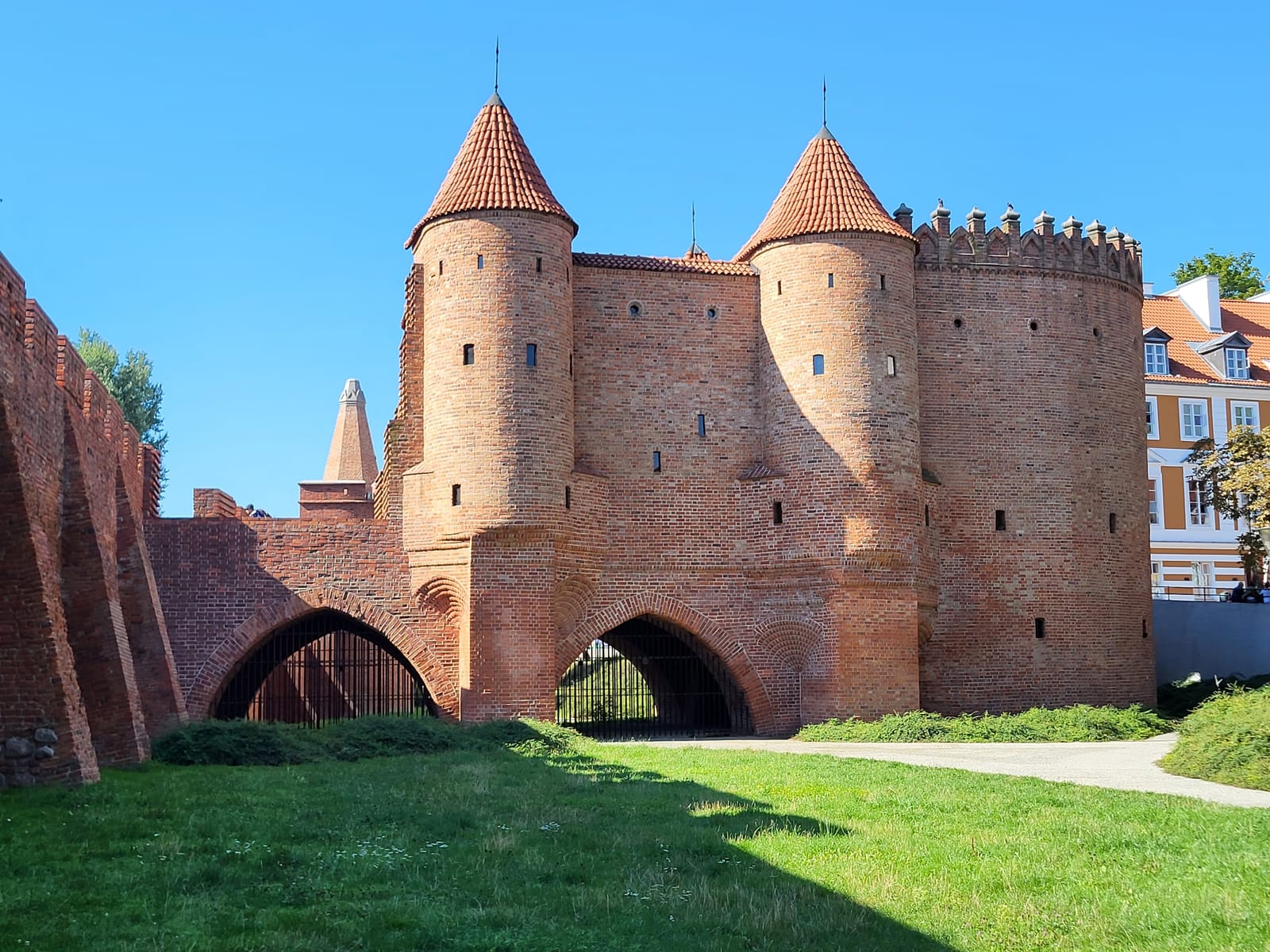
The Warsaw Barbican (Barbakan Warszawski) is a semicircular red-brick fortification built in 1548 by the Venetian architect Jan Baptysta Wenecjanin. It guarded the northern entrance to the Old Town and connected the medieval city walls of Warsaw's Old and New Town.
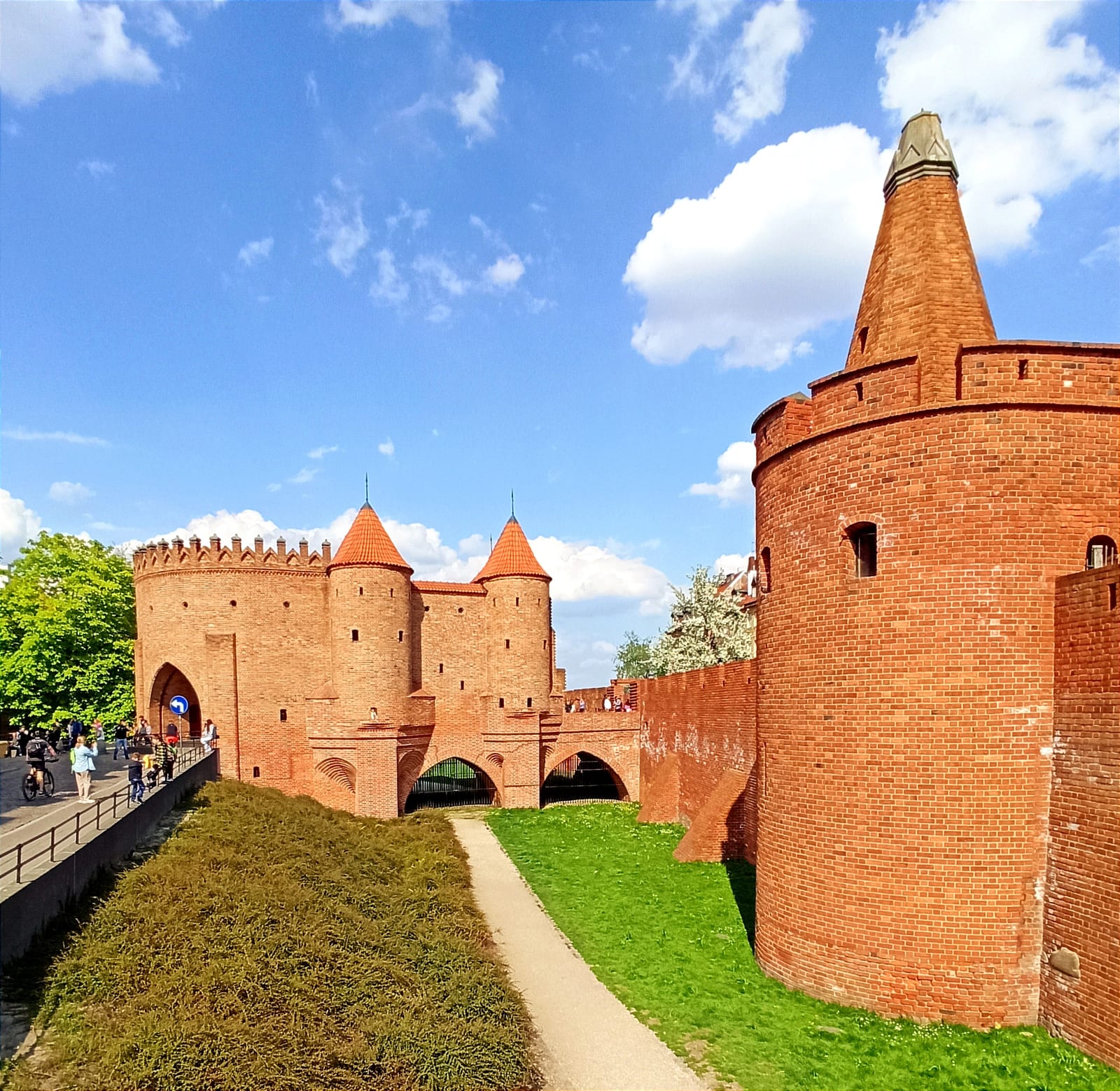
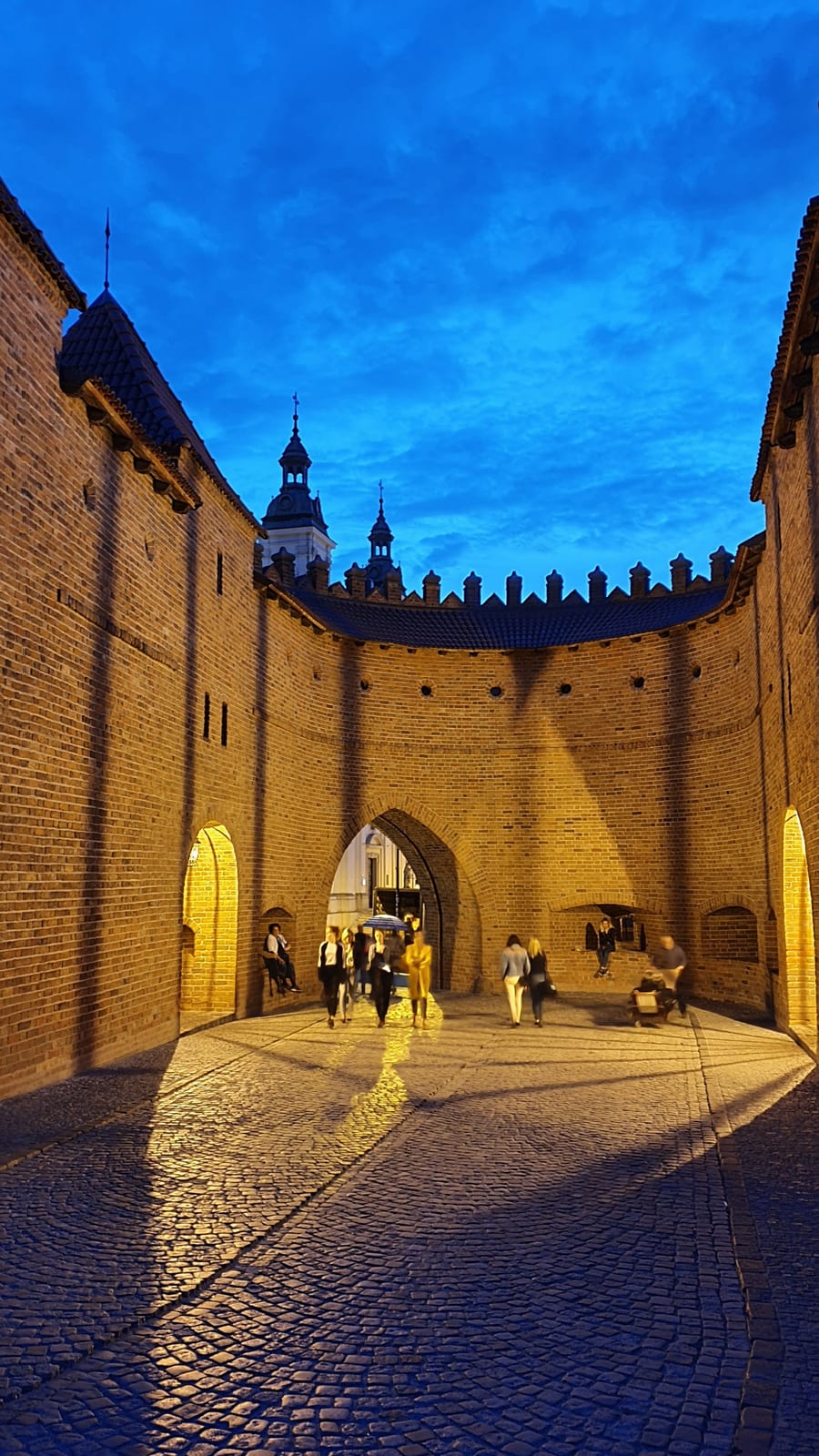
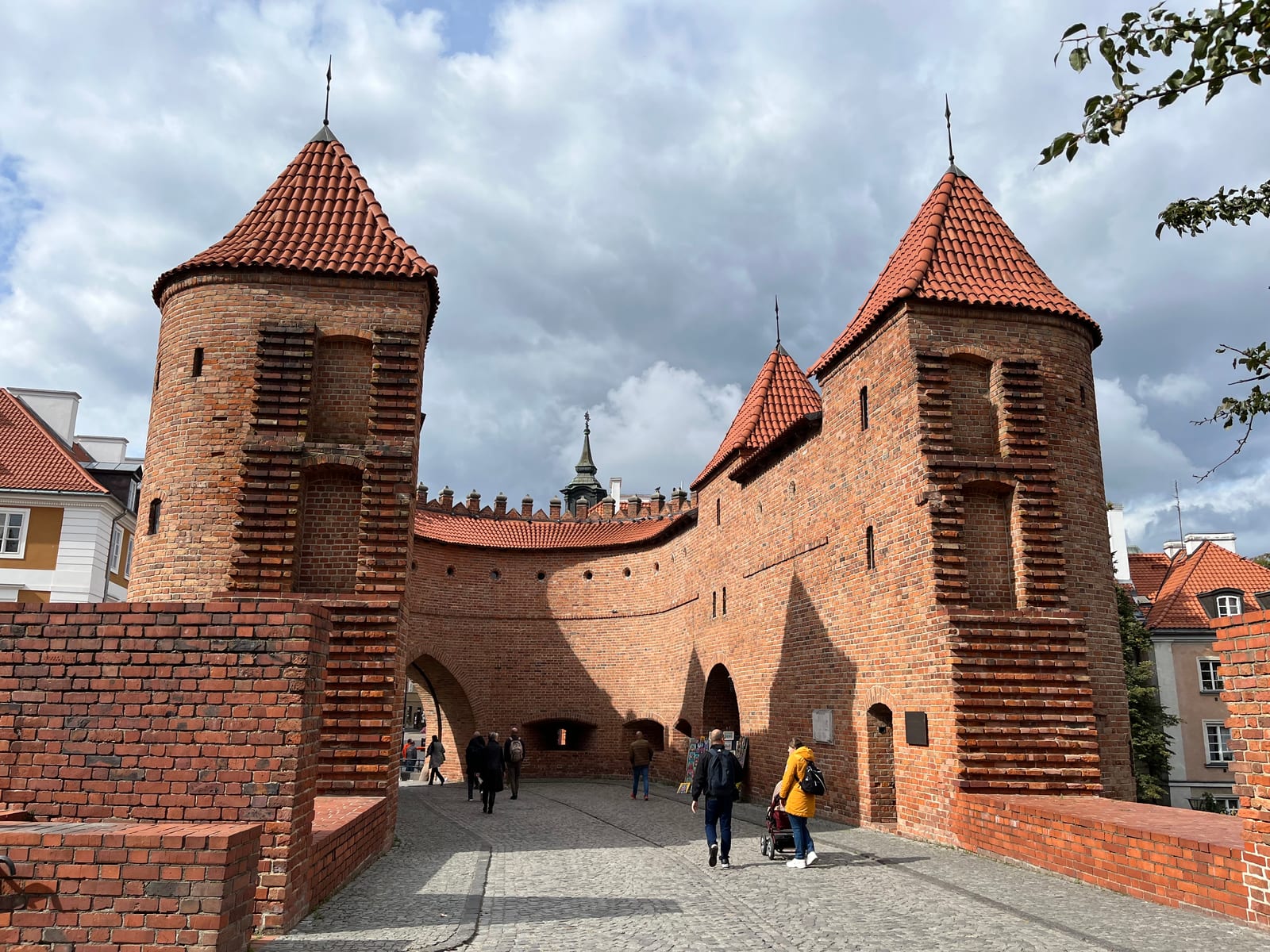
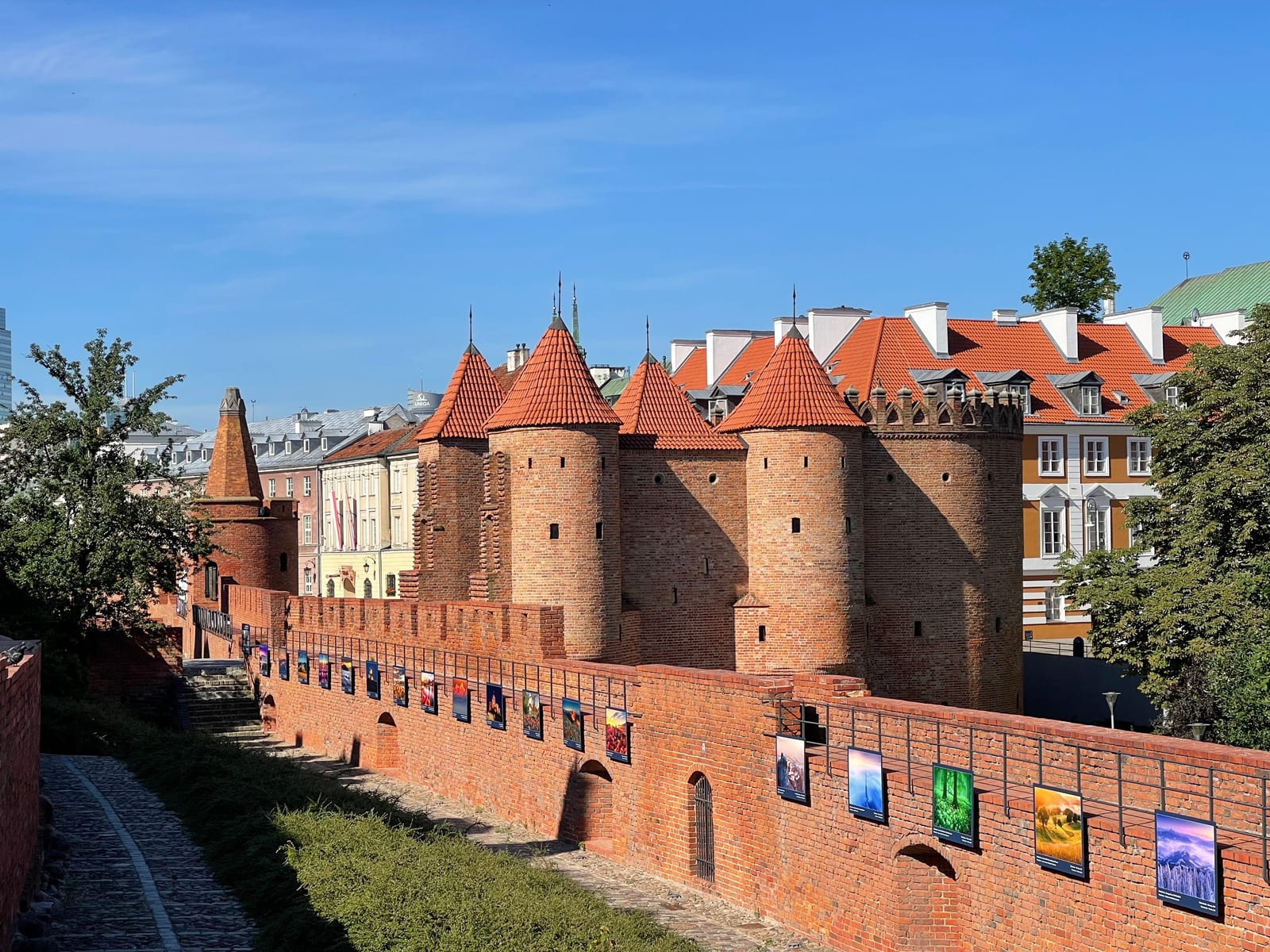
Walking through its gate is free, day and night. The passage and the surviving walls form one of the best photo spots in the capital, with the old moat visible from Podwale Street below.
You will find it at Nowomiejska 15/17, at the northern tip of the UNESCO-listed Old Town, a three-minute stroll from the Old Town Market Square and about eight minutes on foot from the Royal Castle (Zamek Królewski).
Warsaw Barbican at a Glance
Everything you need to know before you go.
| Address | Nowomiejska 15/17, 00-257 Warszawa, Poland |
| Phone | +48 22 277 44 02 |
| Location | Warsaw Old Town (Stare Miasto), UNESCO World Heritage Site |
| Google rating | 4.7/5 (11,103 reviews) |
| Admission | Free to walk through; exhibition from 12 zł |
| Visit duration | 30–45 minutes |
| Combine with | Royal Castle, Old Town Market Square, Podwale Street |
Opening Hours & Ticket Prices
Gate passage & city walls
The gate passage and the surviving stretch of the Old Town walls are open to everyone all year round, 24 hours a day, and are completely free. Climbing onto the walls depends on current weather conditions — after rain or in winter ice, sections may be closed for safety.
Exhibition “The Barbican and the Walls of Old Warsaw”
The small exhibition inside the Barbican is run by the Museum of Warsaw (Muzeum Warszawy) and opens only in the summer season. In 2026 it runs from 20 May to 29 August, open on Wednesdays and Saturdays, 13:00–17:00. Always double-check the official website before your visit, as dates can change from year to year.
Official visiting info →Ticket prices
Tickets for the exhibition are sold only at the main ticket office of the Museum of Warsaw at Rynek Starego Miasta 28.
History & Architecture of the Barbican
How a Renaissance defensive gate survived demolition, war and a meticulous post-war rebuild.
The Barbican was raised in 1548, on the orders of the old town council, after the threat of a Moldavian invasion and the great fire of 1543 exposed how weak Warsaw's medieval walls had become. The design is credited to Jan Baptysta Wenecjanin (Giovanni Battista di Venezia), a Venetian master of military architecture.
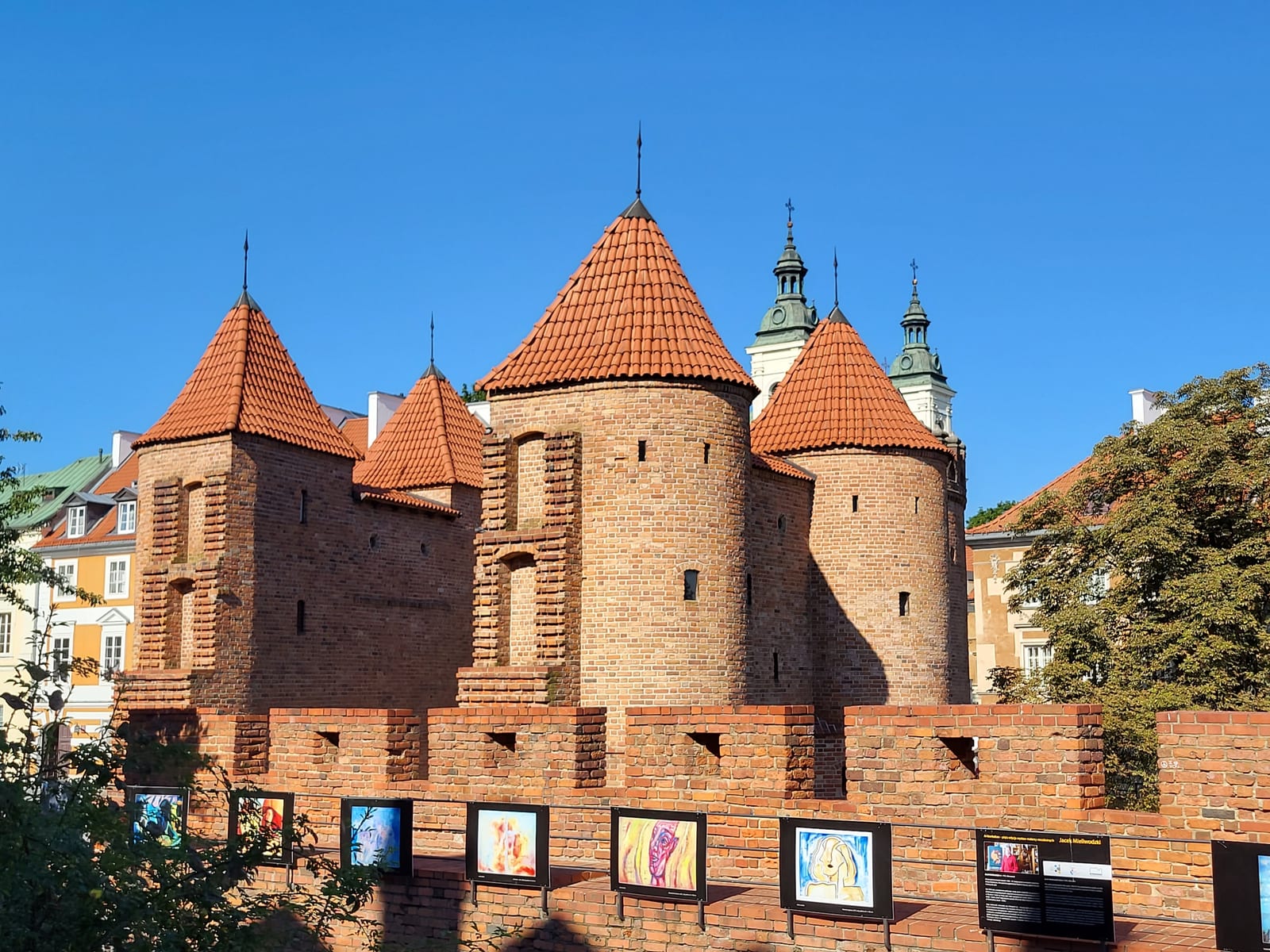
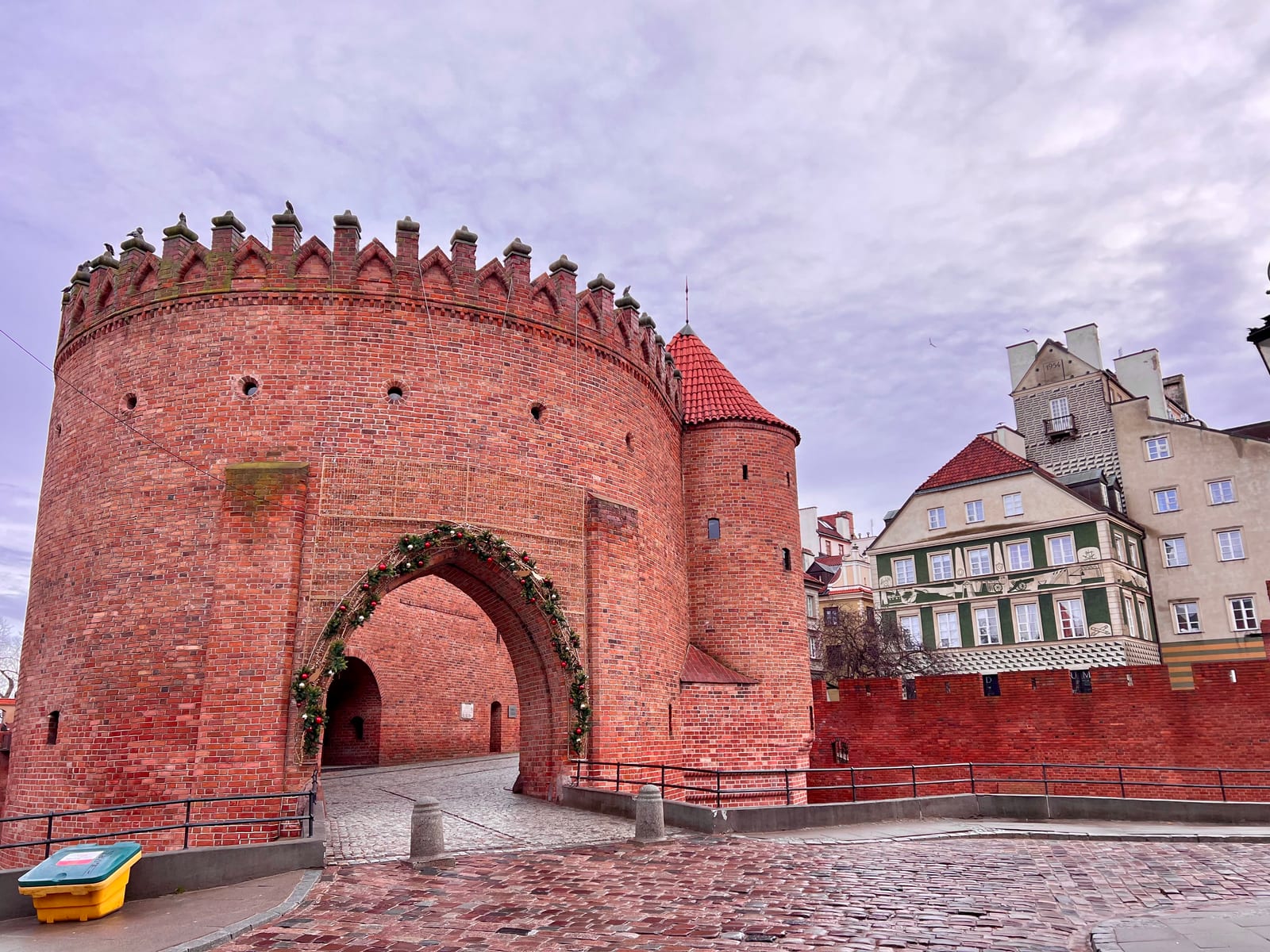
The structure is a three-quarter circle of red brick with a semicircular inner courtyard, originally equipped with four gates and flanked by a moat. It sat exactly where the walls of the Old Town and the New Town met, making it both a defence and a ceremonial gateway between the two urban centres.
By the 18th century the fortification had lost its military role: it served as a warehouse and even a prison. During the 19th-century partitions the brick structure was largely demolished and its material reused, with townhouses built over the site.
Destroyed once more during the Second World War, the Barbican was reconstructed in 1952–1954 by the architects Jan Zachwatowicz and Wacław Podlewski. The rebuild followed 17th-century plans and engravings, and used brick salvaged from 16th-century buildings in the Polish towns of Nysa and Łowicz — a deliberate attempt to recover the original material.
Today the Barbican is part of the Historic Centre of Warsaw, inscribed on the UNESCO World Heritage List in 1980, and houses the Museum of Warsaw's exhibition on the city's fortifications.
Architecturally, the Barbican belongs to the Italian Renaissance tradition of artillery fortifications transplanted north of the Alps. Its semicircular plan, covered gallery and four gates followed the treatises that Venetian military engineers were spreading across Central Europe in the mid-16th century. Only a handful of comparable structures survive in the region, which is why Warsaw's conservators treat this masonry with particular care.
Timeline
Fire and approval
The great fire of 1543 damages the northern defences; in 1545 the town council approves the barbican project to counter the fire risk and the threat of a Moldavian invasion.
Construction
Venetian architect Jan Baptysta Wenecjanin builds the brick barbican with four gates, joining the Old and New Town walls.
Warehouse and prison
The fortification loses its defensive role and is used as a storage building and jail.
Demolition
During the Russian partition the walls are largely pulled down; the bricks are reused in new construction.
Second World War
The area is devastated during the Siege of Warsaw and the 1944 Warsaw Uprising.
Warsaw Uprising
During the 1944 Warsaw Uprising the Old Town is methodically destroyed; the Barbican survives only as damaged wall stubs.
Reconstruction
Jan Zachwatowicz and Wacław Podlewski rebuild the Barbican using 16th-century brick from Nysa and Łowicz.
UNESCO inscription
The Historic Centre of Warsaw, including the Barbican, is added to the UNESCO World Heritage List.
How to Get There (Location & Transport)
The Barbican stands at the northern end of the Old Town, where Nowomiejska and Podwale streets meet.
From Chopin Airport (WAW)
Take the SKM train (line S2 or S3) to Warszawa Śródmieście and change to tram 13, 23 or 26 for Stare Miasto — about 40 minutes in total. Bus 175 runs from the terminal to Plac Zamkowy by the Royal Castle, an 8-minute walk from the Barbican. A taxi or ride-hailing car takes 25–35 minutes and costs roughly 45–70 PLN.
From Warszawa Centralna
From the main railway station take Metro line 1 one stop to Ratusz Arsenał and walk about 10 minutes through Plac Krasińskich, or catch a tram towards Stare Miasto. Allow 15–20 minutes by public transport; a taxi takes 5–10 minutes (about 15–25 PLN).
Bus connections
Bus 175 links Chopin Airport with Plac Zamkowy next to the Royal Castle, an 8-minute walk from the Barbican. Overnight, when the trams stop running, night buses with an “N” prefix serve the Old Town. Check live routes and diversions on wtp.waw.pl or in the Jakdojade app.
Tram to Stare Miasto stop
Lines 13, 23 and 26 stop at “Stare Miasto”, a two-minute walk from the Barbican. Timetables and any temporary reroutes are published by the operator on wtp.waw.pl.
Metro + short walk
Take Metro Line 1 to “Ratusz Arsenał” (about 10 minutes on foot through Plac Krasińskich) or Line 2 to “Dworzec Gdański” (about 15 minutes). Both routes pass the Royal Route on the way in.
Taxi, Uber and Bolt
Bolt, Uber and Free Now all operate in Warsaw. From the airport allow 25–35 minutes and roughly 45–70 PLN; from the city centre 5–15 minutes and about 15–25 PLN. The Old Town is pedestrianised, so drivers can only drop you at its edge — Plac Krasińskich or Podwale street.
From the Old Town
From the Old Town Market Square (Rynek Starego Miasta) it is a 3-minute walk north along Świętojańska and Freta streets. From the Royal Castle, allow 8 minutes.
Parking
The Old Town itself is car-free. The nearest parking areas are at Plac Krasińskich and along Krakowskie Przedmieście; expect limited spaces and paid zones.
Old Town Walking Tour: Barbican to Royal Castle
A self-guided loop that strings together the most photographed corners of Warsaw's Old Town. Distance: about 2.5 km on foot, 2–2.5 hours with stops.
Start at the Barbican
Begin at the Barbican (Nowomiejska 15/17). Cross the moat side first — the view back from Podwale Street is the classic postcard angle, best in the morning light.
Follow the walls along Podwale
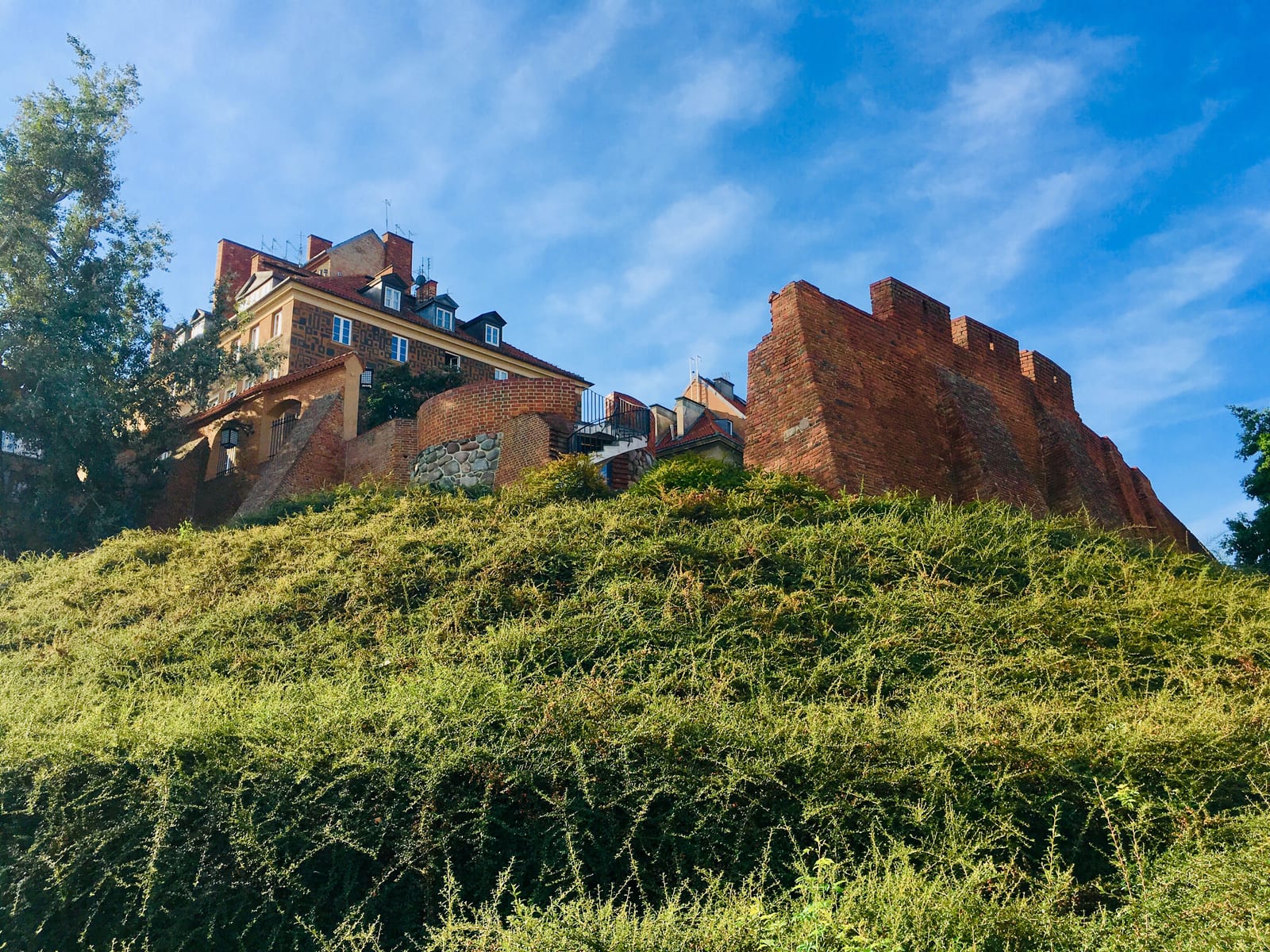
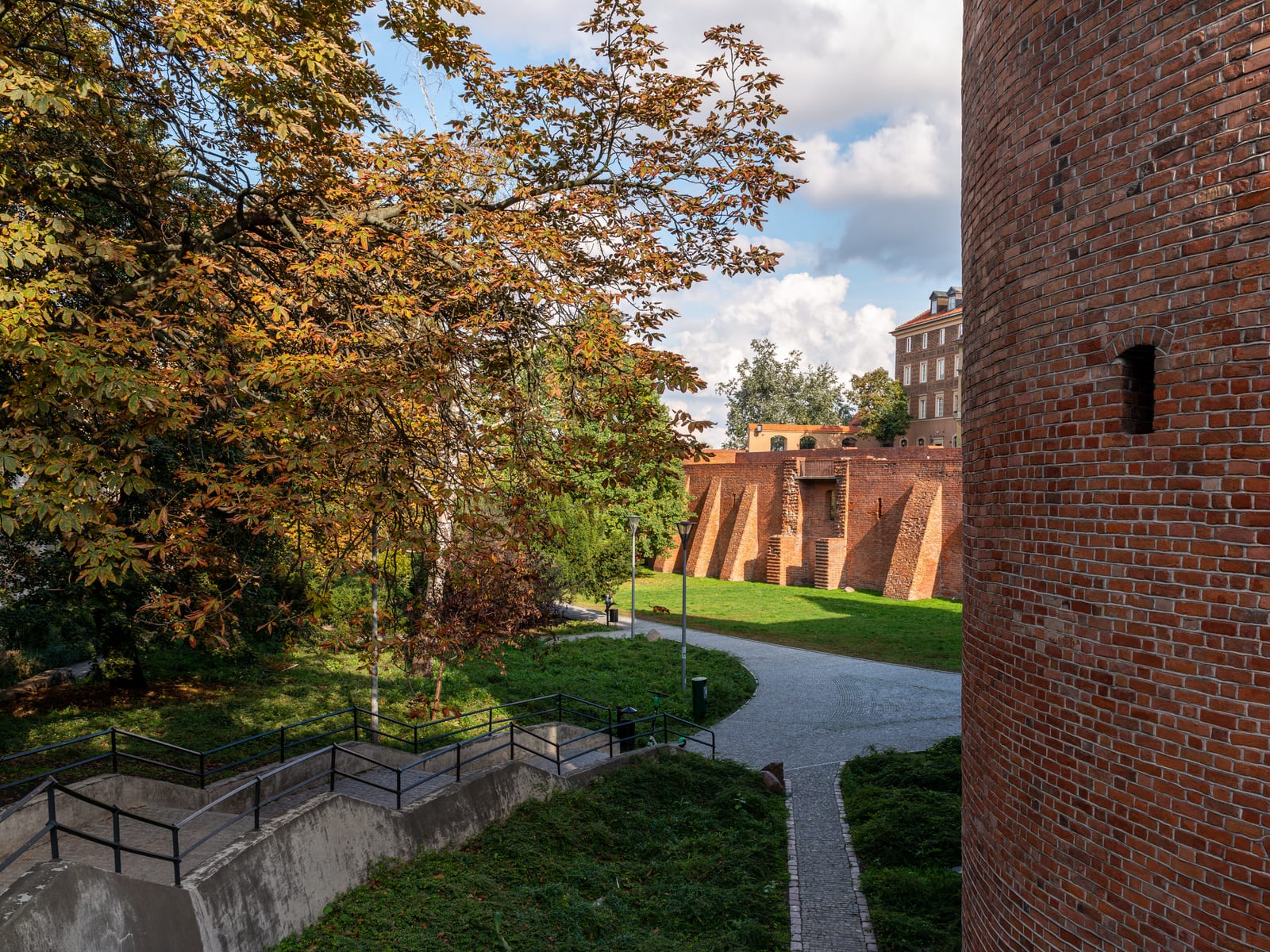
Walk south along Podwale Street, where the only surviving fragment of the medieval moat sits beside the walls. The well-preserved tenements around Podwale 83 are a favourite of local photographers.
Old Town Market Square (Rynek Starego Miasta)
Turn into the Market Square, heart of the reconstructed Old Town, ringed by 17th-century-style townhouses, cafés and the statue of the Warsaw Mermaid (Syrenka).
St. John's Archcathedral & Royal Castle
Continue through Świętojańska Street past St. John's Archcathedral to Castle Square. The Royal Castle (Zamek Królewski) and Sigismund's Column mark the southern end of the route.
Loop back to the Barbican
Return north via Ulica Piwna or Długa Street, passing the Warsaw Uprising Monument at Plac Krasińskich before arriving back at the Barbican.
Nearby Attractions in Old Town Warsaw
Everything worth seeing within a ten-minute walk of the Barbican.
Old Town Market Square (Rynek Starego Miasta)
Reconstructed 17th-century square with the Warsaw Mermaid statue
3 min walkRoyal Castle (Zamek Królewski)
Rebuilt royal residence and museum at Castle Square
8 min walkSt. John's Archcathedral
Warsaw's oldest church, coronation and burial site of Polish monarchs
6 min walkWarsaw Uprising Monument
Bronze monument on Plac Krasińskich honouring the 1944 fighters
3 min walkMuseum of Warsaw (Muzeum Warszawy)
Main building at Rynek Starego Miasta 28; also sells Barbican exhibition tickets
4 min walkCastle Square & Sigismund's Column
Historic gateway to the Royal Route and the Old Town
8 min walkBest Photo Spots
Where the walls and the moat frame the best shots.
Podwale Street, moat side
The classic postcard angle of the whole structure with the moat in front. Morning light is best.
Northern side on Nowomiejska
Golden-hour shots of the brick towers against the Freta Street skyline.
On top of the walls
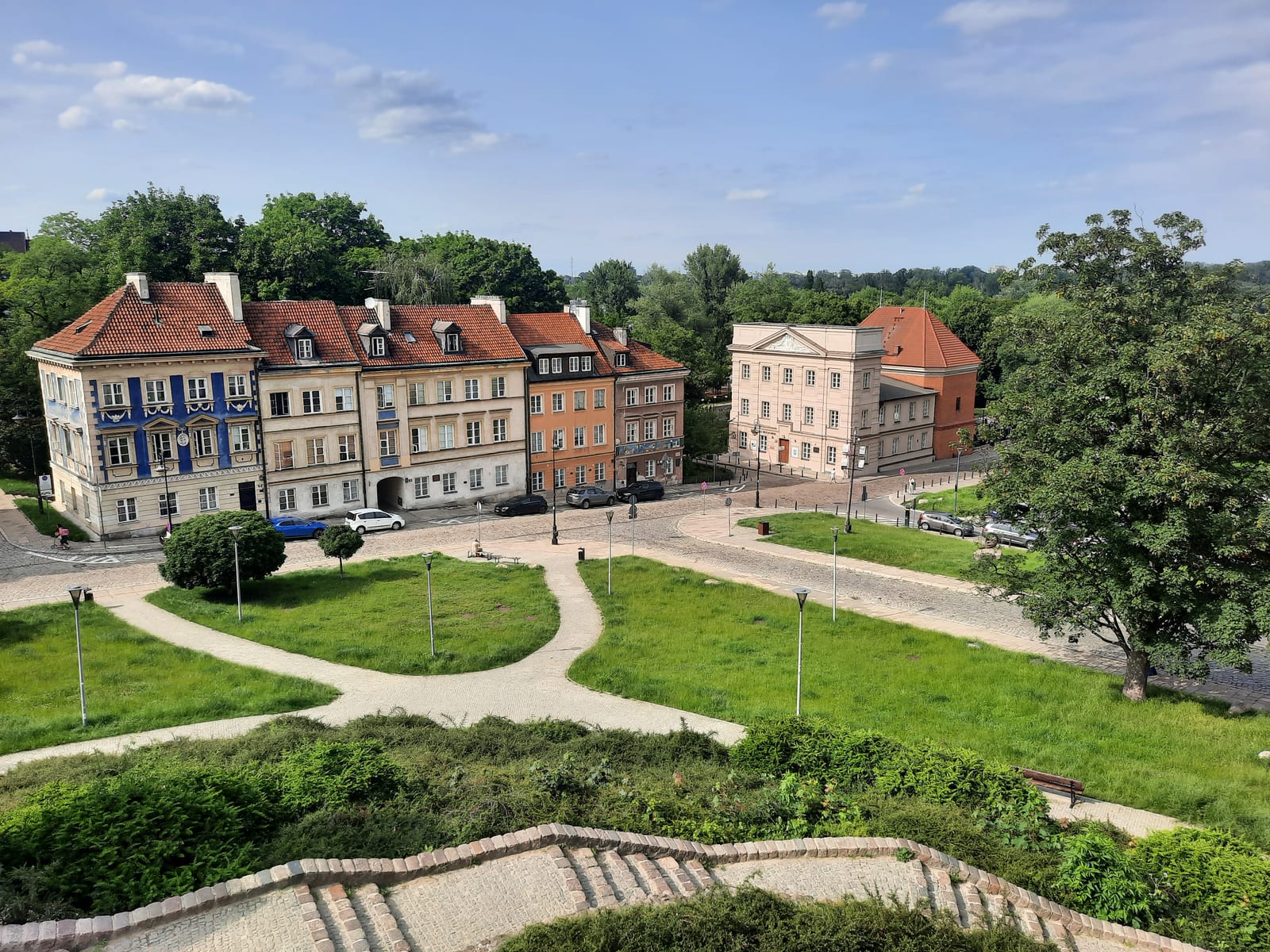
Weather permitting, walk the walls for a raised view over Plac Krasińskich and the New Town.
Night photography
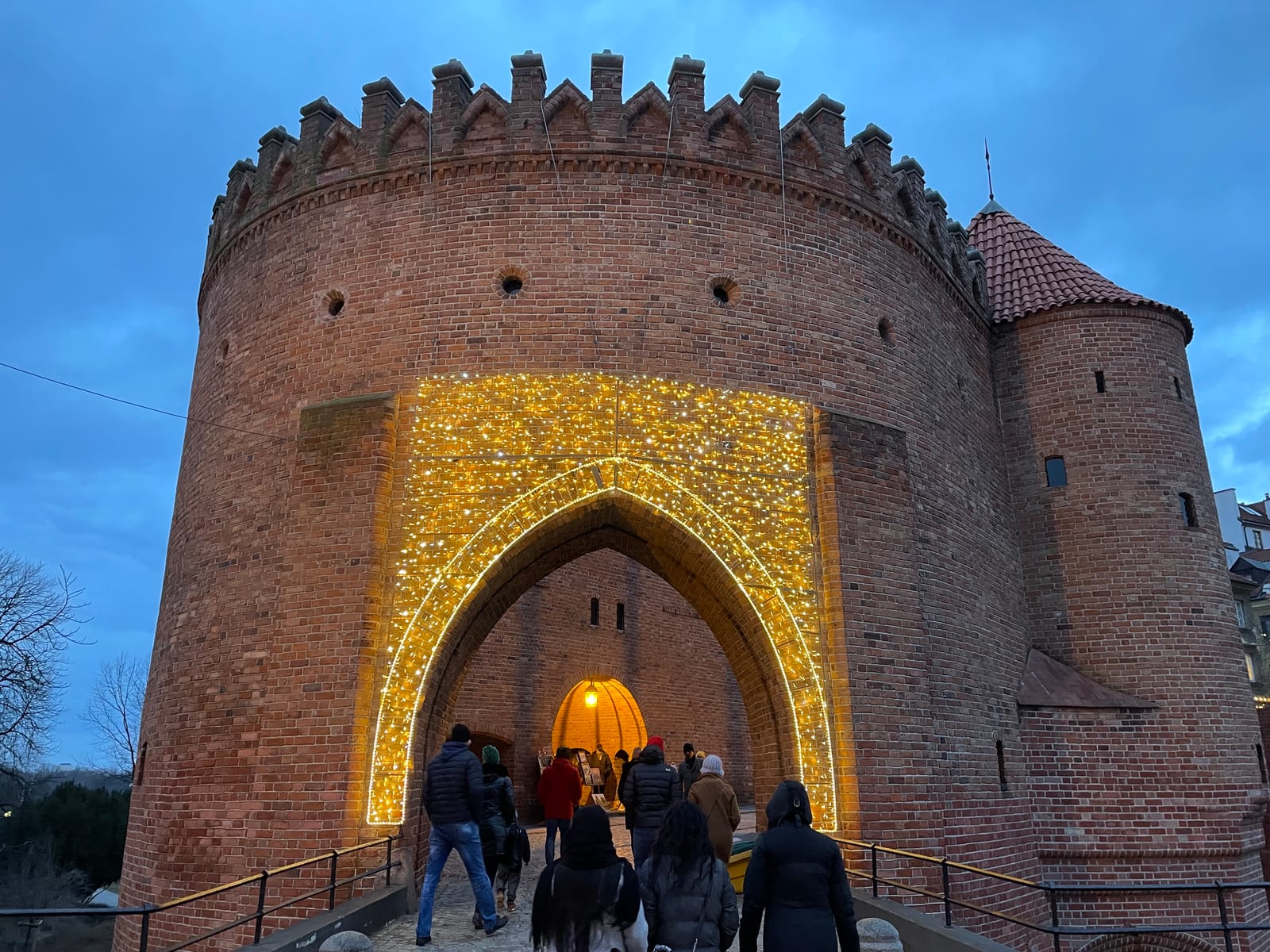
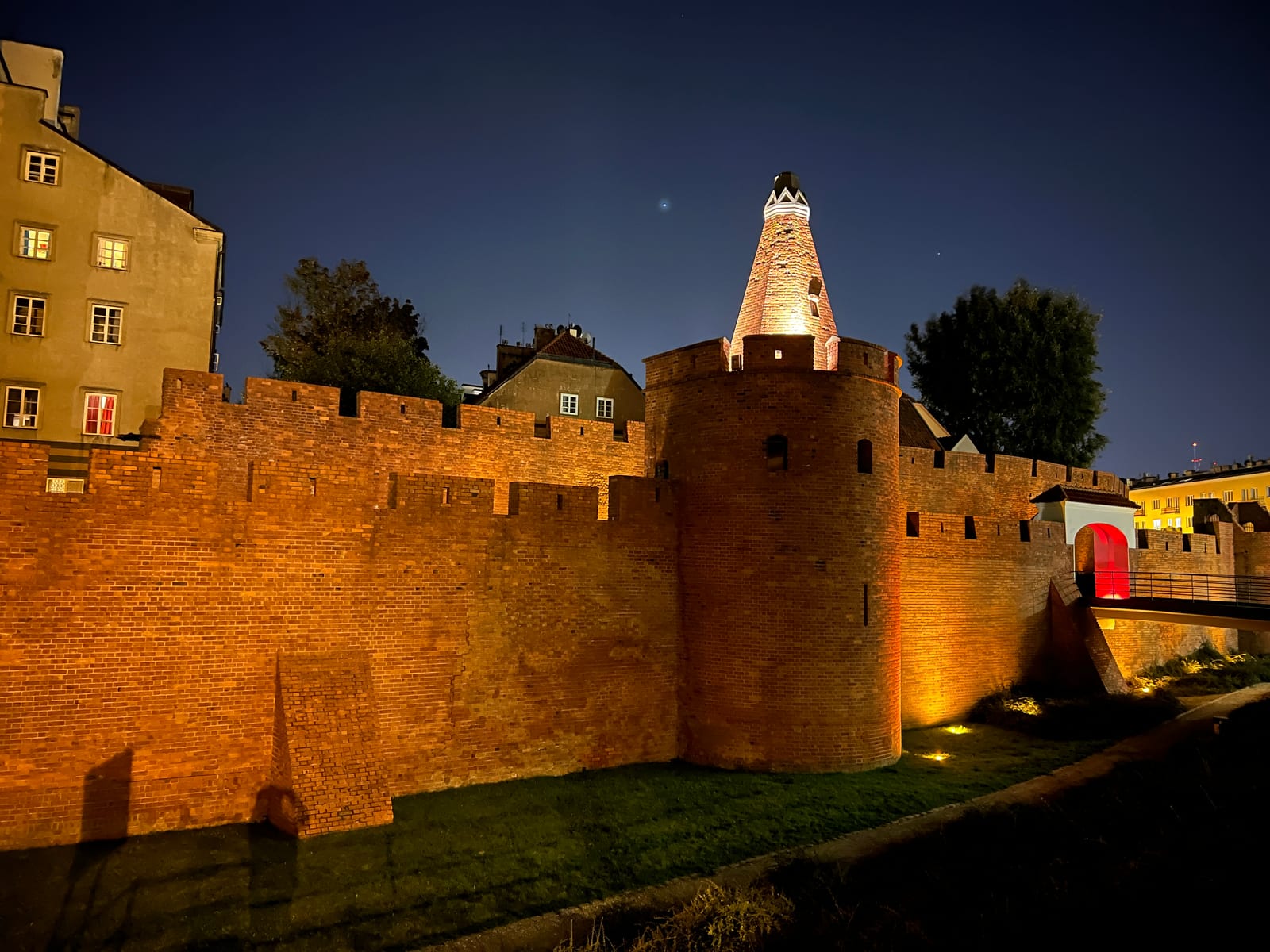
The Barbican is floodlit after dark — long exposures from the Podwale junction work beautifully.
Facilities Nearby
Practical services in the immediate Old Town area (types only — no commercial endorsements).
Public toilets
Near the Old Town Market Square and Plac Krasińskich
Cafés & restaurants
Old Town Market Square, Świętojańska, Podwale
Hotels & accommodation
Old Town and New Town districts
Souvenir shops
Old Town Market Square and Freta Street
Parking
Plac Krasińskich and Krakowskie Przedmieście
ATMs
Old Town area, several banks nearby
Grocery & convenience stores
Small shops on Podwale, Freta and Długa; larger supermarkets in the city centre
Fuel stations & EV charging
Nearest stations along the Vistula riverside and around Marszałkowska, outside the car-free zone
Pharmacies
Old Town and Nowy Świat; check the night-duty roster if needed
Bike & e-scooter rental
Dockless rentals are available; cycling is restricted inside the Old Town
Stories & Legends
Facts and tales behind Warsaw's only surviving medieval gate.
Built in haste
After the 1543 fire and the threat of a Moldavian raid, the town council approved the barbican in 1545; the Venetian master builder completed it within three years — fast even by Renaissance standards.
The Venetian architect
Jan Baptysta Wenecjanin came to Poland as an expert in artillery fortifications. His Warsaw barbican remains one of only a handful of such structures preserved north of the Alps.
Dismantled stone by stone
In the 19th century the barbican was sold off and demolished, its brick reused across the city — a loss mourned by local historians ever since.
Rebuilt with old bricks
The 1952–1954 reconstruction by Jan Zachwatowicz and Wacław Podlewski reused genuine 16th-century brick from Nysa and Łowicz so the new walls would look authentically old.
A gate between two towns
Old and New Warsaw were separate municipalities for centuries. Locals say the barbican was where one town's street lamps ended and the other's began — a small but real border in daily life.
World heritage
In 1980 the reconstructed Historic Centre of Warsaw — Barbican included — was inscribed on the UNESCO World Heritage List as a unique example of near-total post-war reconstruction.
Where the name “Barbican” comes from
“Barbican” derives from the medieval Latin barbacana — a detached outwork in front of a gate. Linguists trace the word further back to Arabic, and it travelled across Europe with the military engineers who built these structures. That is why similar gates in Kraków, Gdańsk and even London share the name.
The moat that returned
The original moat was filled in during the 19th century. When the Barbican was rebuilt in 1952–1954, the dry ditch in front of it was recreated from 17th-century engravings — which is why the moat-side view still looks like the pre-partition city.
Survived the Uprising as rubble
During the 1944 Warsaw Uprising the Old Town was methodically destroyed. The Barbican was left as damaged stubs and was only rebuilt in 1952–1954 — which is why today it stands as a symbol of the city's own reconstruction.
Photo Gallery
The Warsaw Barbican and the Old Town walls in pictures.
What Visitors Say
“Free to walk through and one of the most photogenic spots in the Old Town — the moat view from Podwale is unforgettable.”TripAdvisor review
“Great atmosphere, you almost feel thrown back in time. Walk the ramparts and enjoy the view of the square.”TripAdvisor review
“Small but beautiful — combine it with the Market Square and the Royal Castle for a perfect half-day walk.”TripAdvisor review
Frequently Asked Questions
Practical answers before you visit.
Sources & Further Reading
Information on this page was verified against the following official sources.
Opening hours, tickets and exhibition info
Practical visiting details and weather note
Official city tourism portal
World Heritage inscription (1980)
Tram and metro routes & timetables
Warsaw tram network reference
Weather at the Barbican
Live conditions and a 5-day forecast for the Old Town
- Feels like: 17 °C
- Wind: 21 km/h
- Humidity: 56%
Data refreshes automatically every 30 minutes — source: Open-Meteo · open-meteo.com ↗
Location & Map
Find the Barbican at Nowomiejska 15/17, at the northern tip of the Old Town.