Варшавский Барбакан — Полный Гид (Часы, Билеты, История)
Кирпичная крепость XVI века на краю Старого города Варшавы. Часы работы, цены на билеты, история и маршрут прогулки — всё в одном гиде.
Ворота сквозь шесть веков
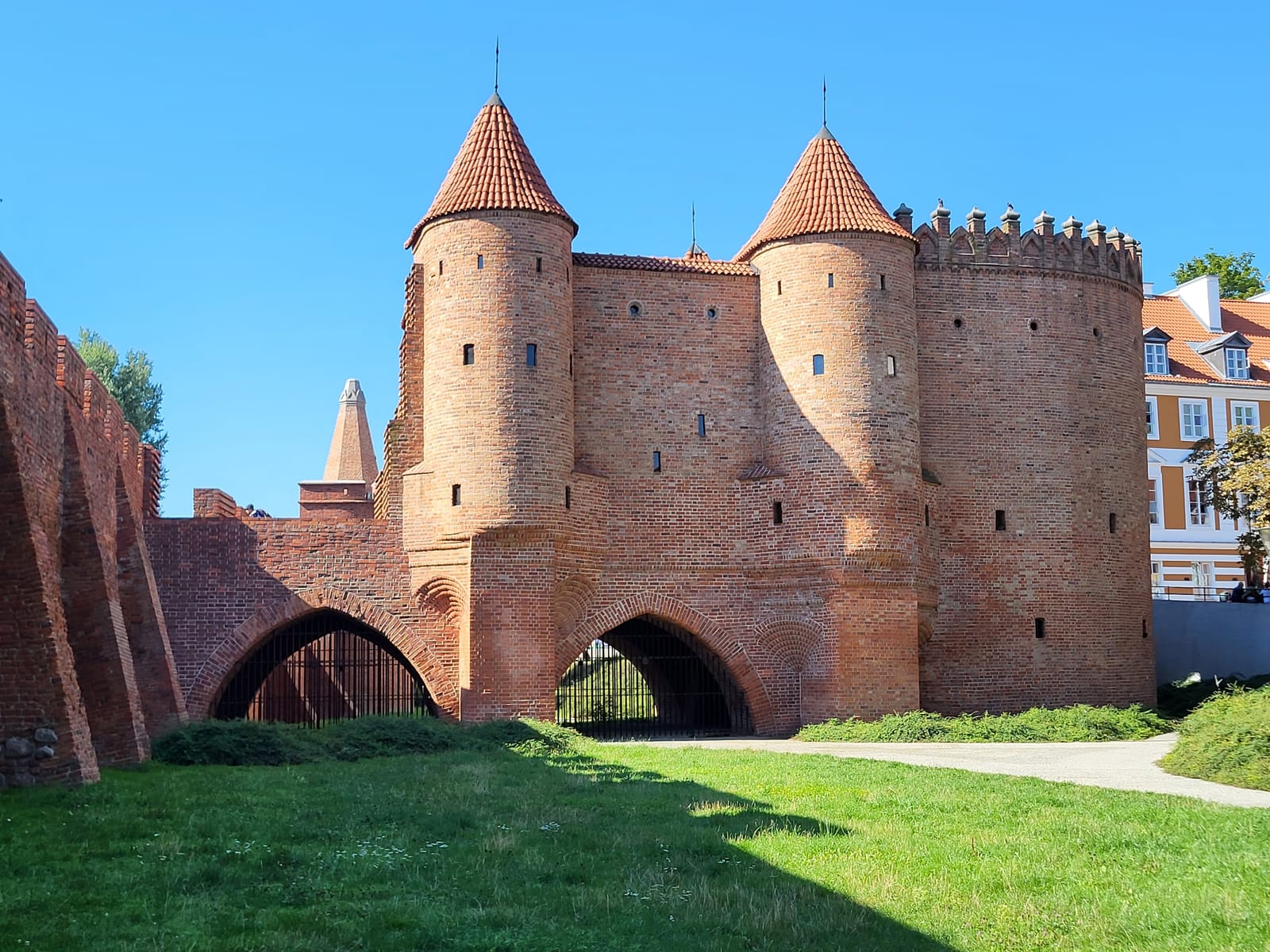
Варшавский барбакан (Barbakan Warszawski) — полукруглое кирпичное укрепление, построенное в 1548 году венецианским архитектором Яном Баптистой Венецианином. Он защищал северный вход в Старый город и соединял средневековые стены Старого и Нового города Варшавы.
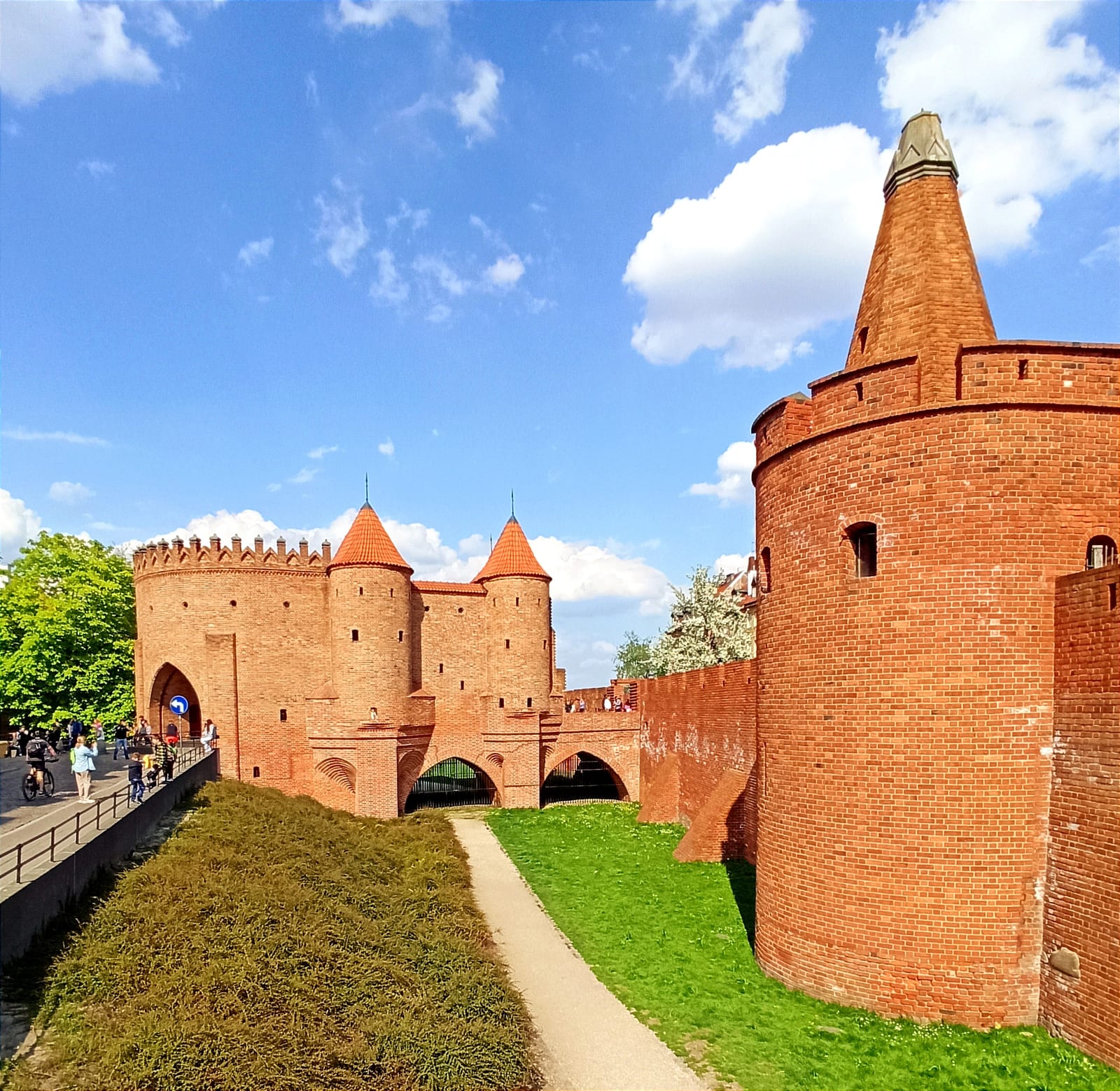
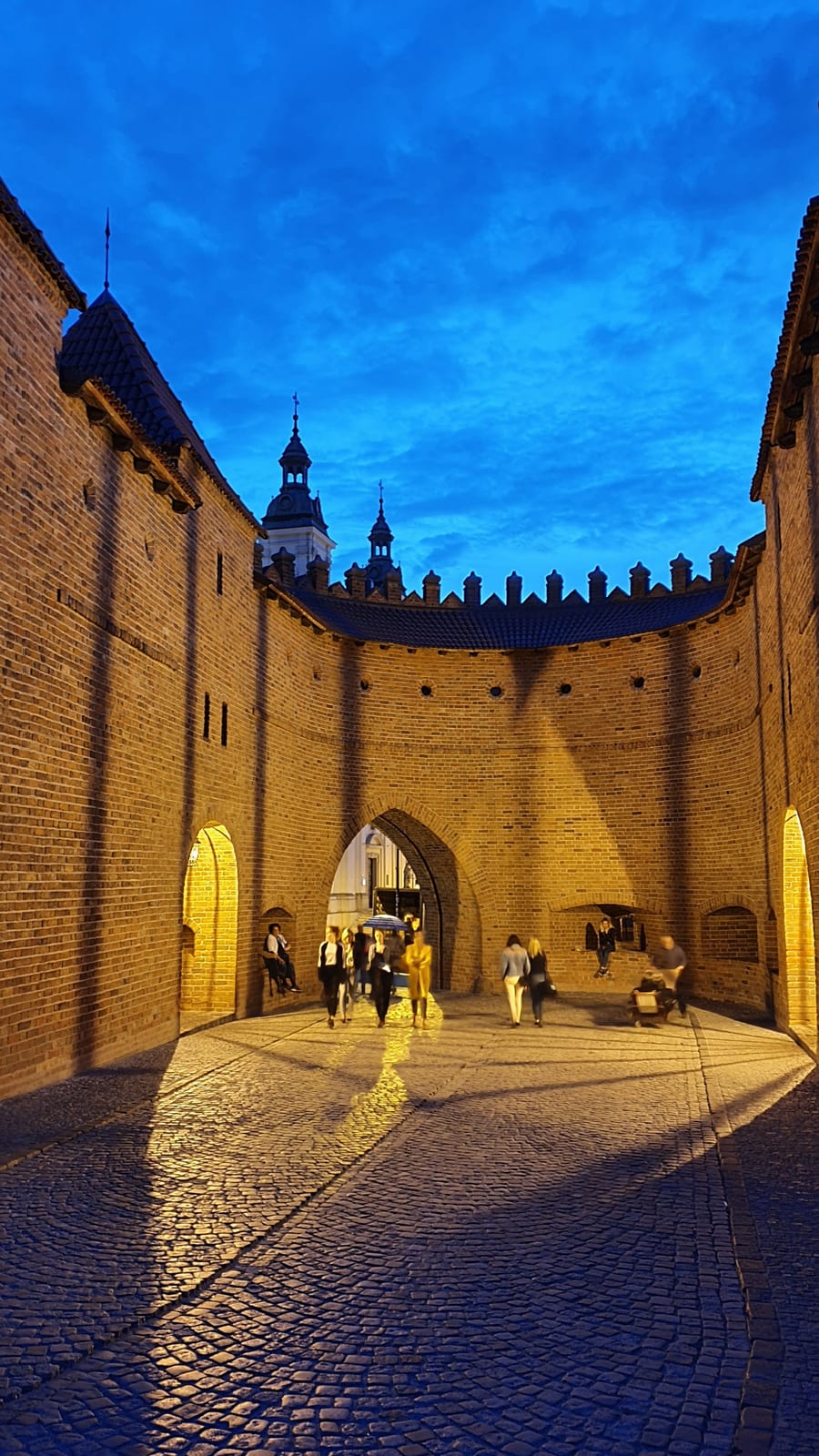
Проход через ворота бесплатный, днём и ночью. Переход и сохранившиеся стены — одно из лучших мест для фото в столице: с улицы Подвале внизу виден ров.
Вы найдёте его по адресу Nowomiejska 15/17, на северной оконечности Старого города, включённого в список ЮНЕСКО, — в трёх минутах ходьбы от Рыночной площади и примерно в восьми минутах от Королевского замка (Zamek Królewski).
Барбакан вкратце
Всё, что нужно знать перед визитом.
| Адрес | Nowomiejska 15/17, 00-257 Варшава, Польша |
| Телефон | +48 22 277 44 02 |
| Расположение | Старый город Варшавы (Stare Miasto), объект Всемирного наследия ЮНЕСКО |
| Рейтинг Google | 4,7/5 (11 103 отзыва) |
| Вход | Проход бесплатный; выставка от 12 злотых |
| Время осмотра | 30–45 минут |
| Совместить с | Королевским замком, Рыночной площадью, улицей Подвале |
Часы работы и цены на билеты
Проход через ворота и городские стены
Проход через ворота и сохранившийся участок стен Старого города открыты для всех круглый год, 24 часа в сутки, и полностью бесплатны. Подъём на стены зависит от погоды: после дождя или в гололёд отдельные участки могут быть закрыты в целях безопасности.
Выставка «Барбакан и стены Старой Варшавы»
Небольшая выставка внутри барбакана проводится Музеем Варшавы (Muzeum Warszawy) и открывается только в летний сезон. В 2026 году она работает с 20 мая по 29 августа по средам и субботам с 13:00 до 17:00. Перед визитом обязательно проверяйте официальный сайт — даты меняются год от года.
Официальная информация о посещении →Цены на билеты
Билеты на выставку продаются только в главной кассе Музея Варшавы по адресу Рыночная площадь Старого города, 28 (Rynek Starego Miasta 28).
История и архитектура барбакана
Как ренессансные оборонительные ворота пережили снос, войну и тщательную послевоенную реконструкцию.
Барбакан возвели в 1548 году по распоряжению городского совета Старого города, после того как пожар 1543 года и угроза молдавского нашествия обнажили слабость средневековых стен Варшавы. Проект приписывают Яну Баптисте Венецианину (Giovanni Battista di Venezia), венецианскому мастеру военной архитектуры.
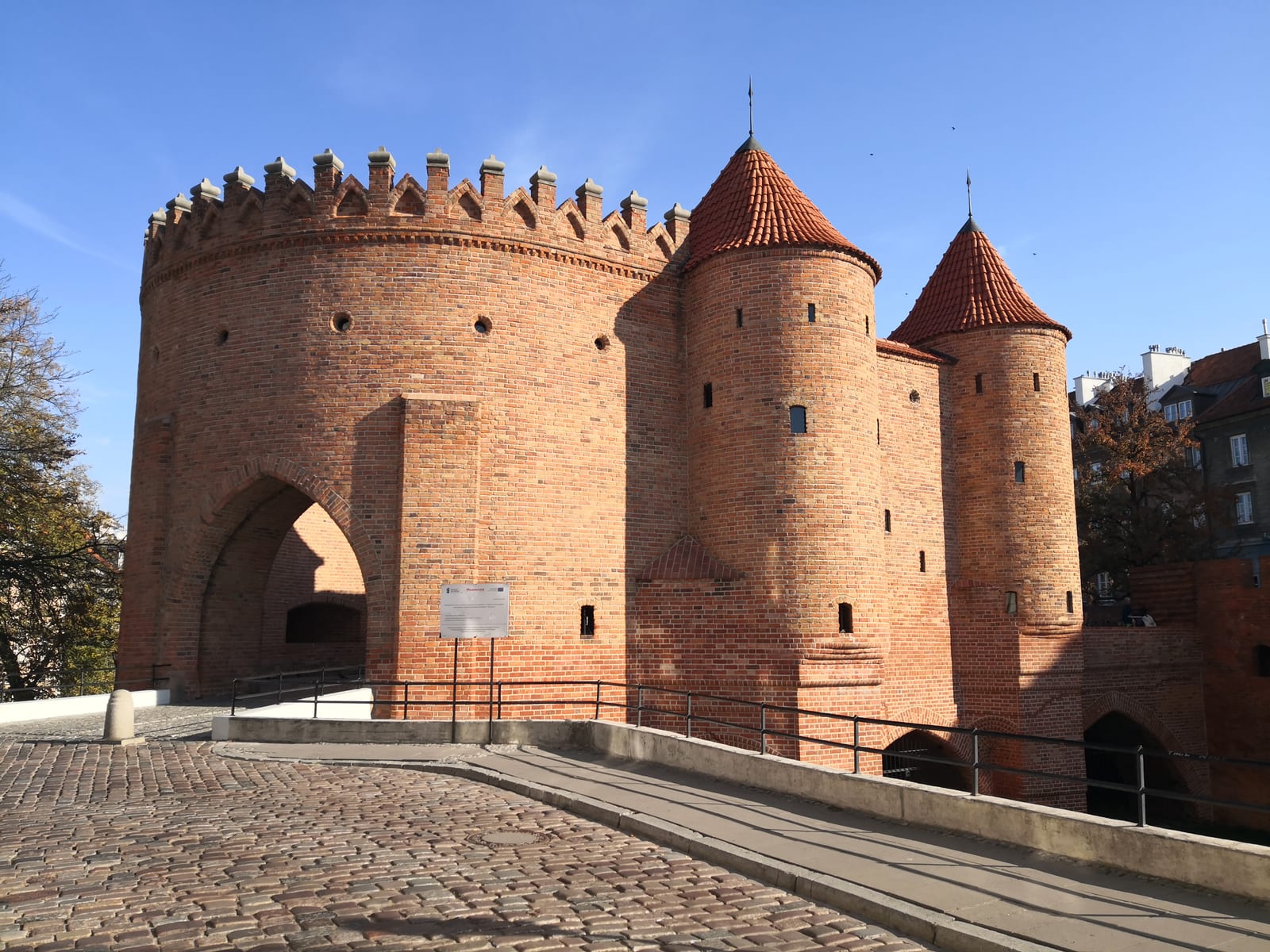
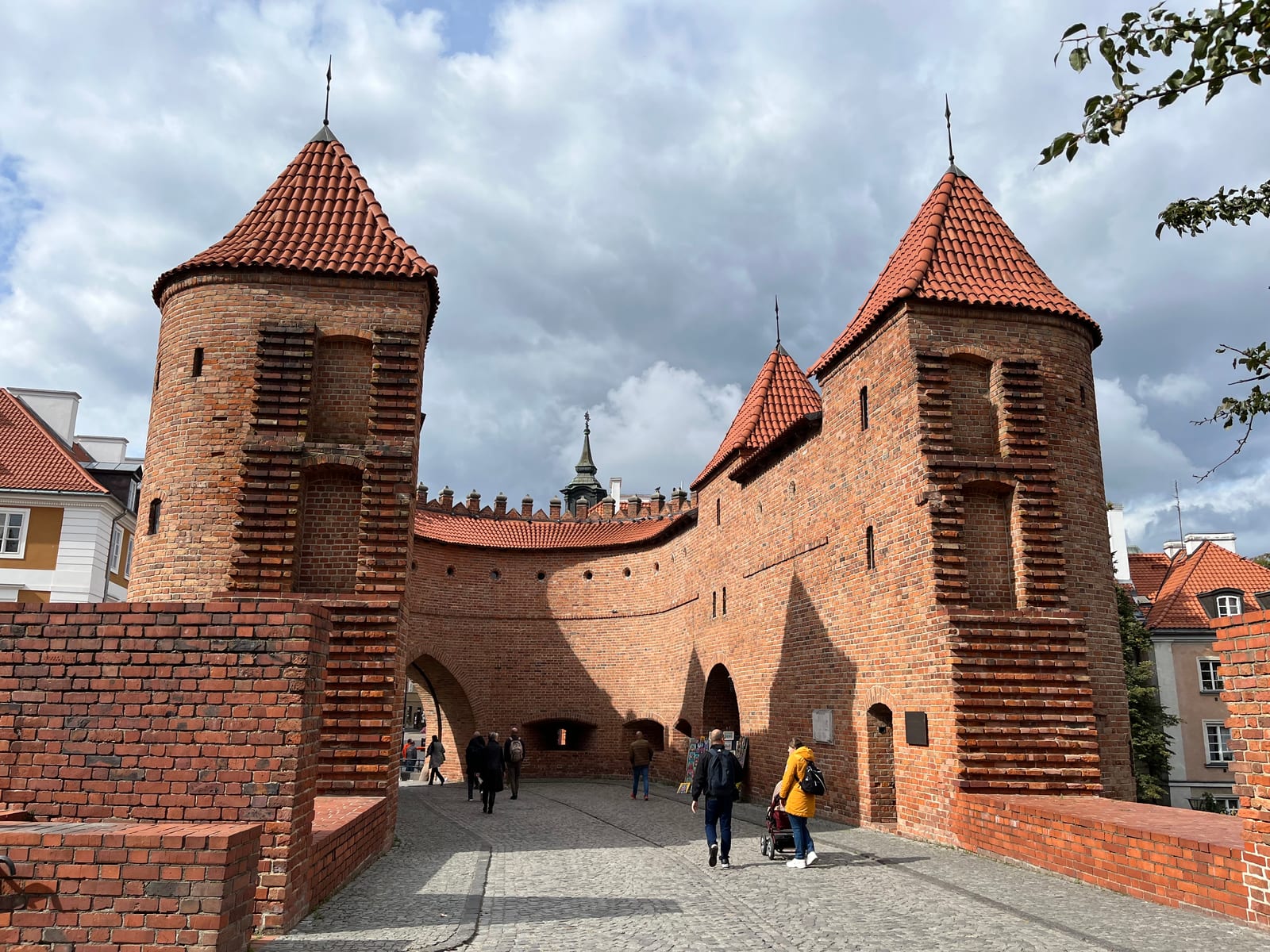
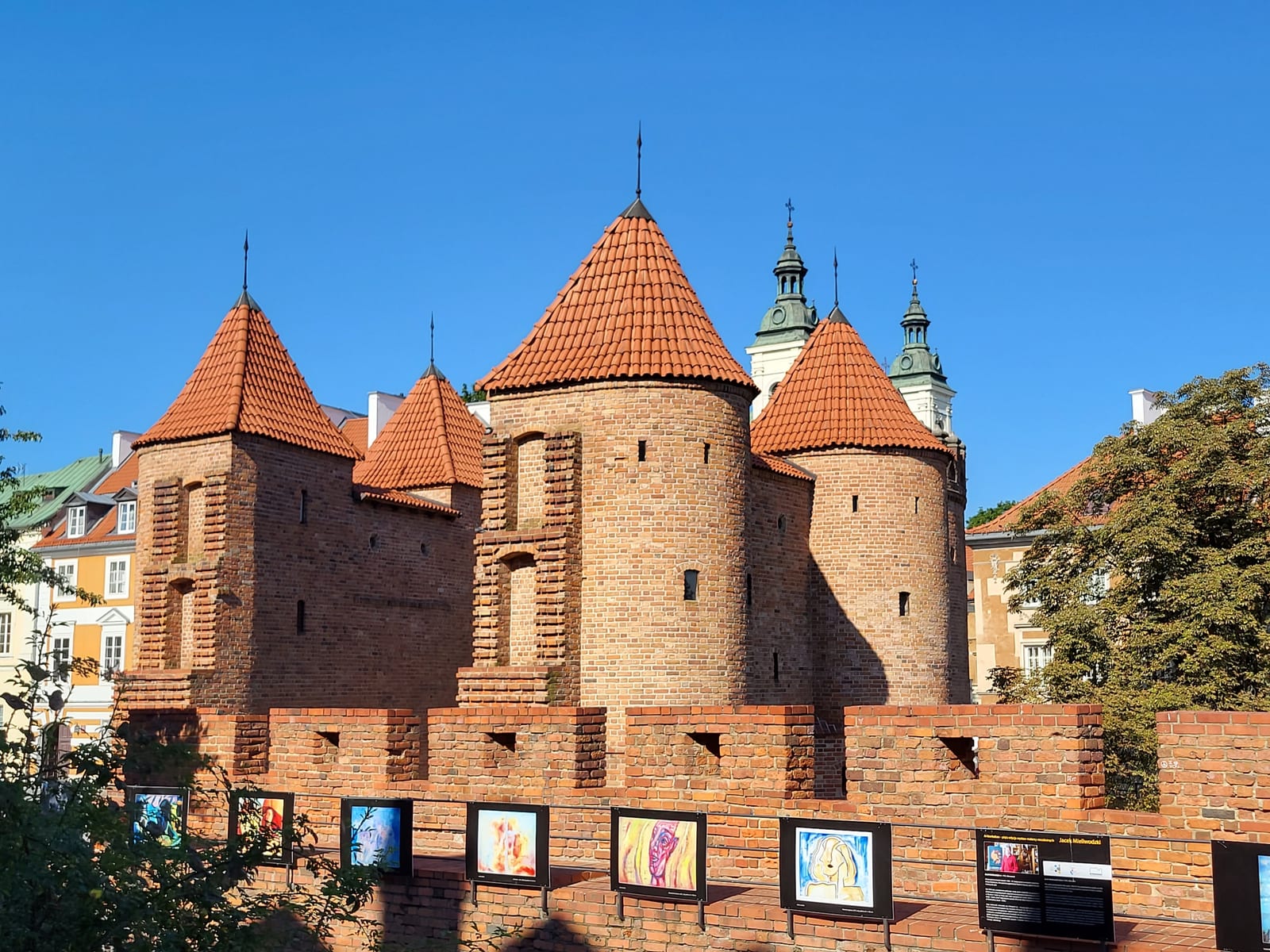
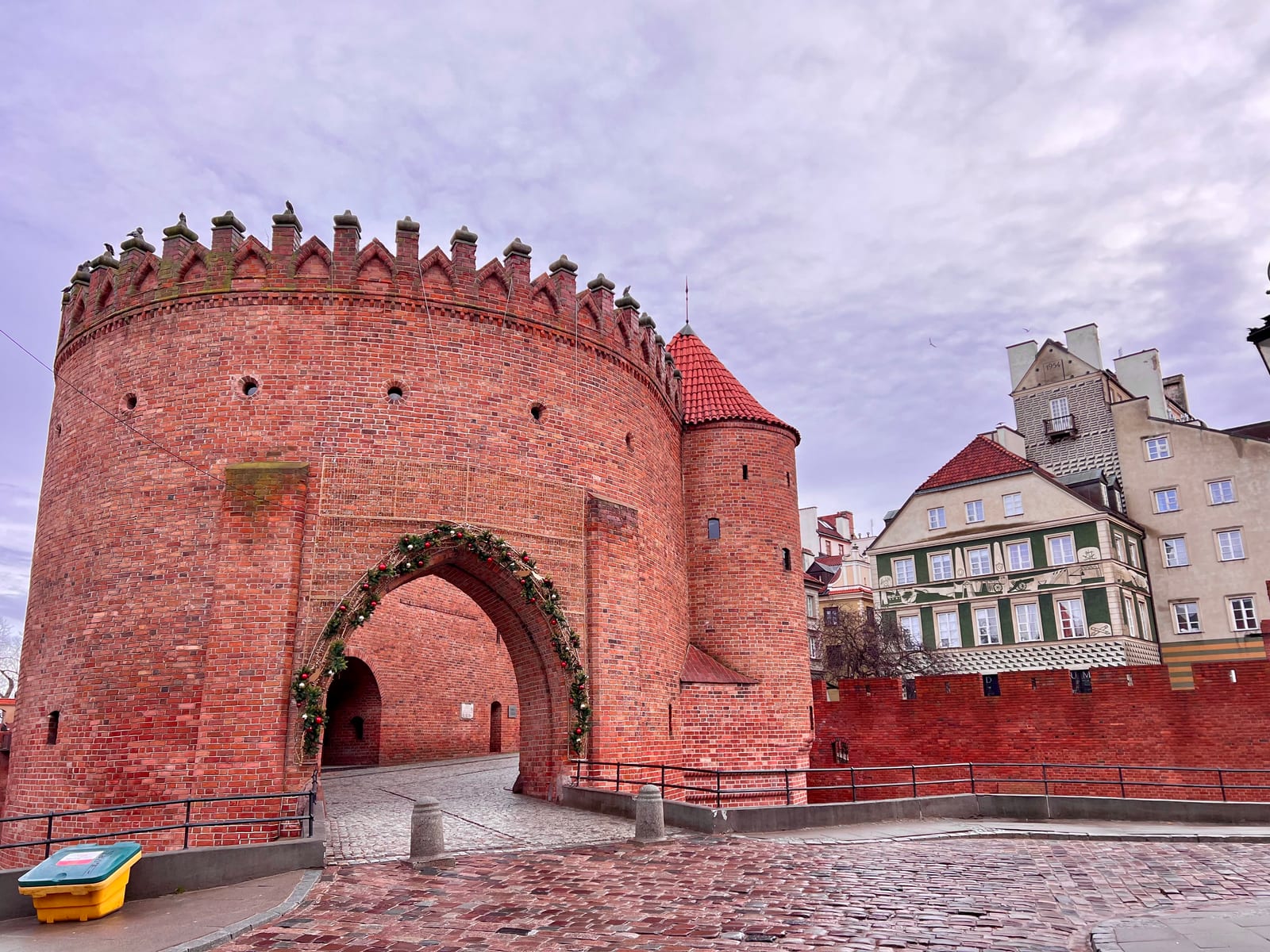
Сооружение представляет собой три четверти круга из красного кирпича с полукруглым внутренним двором; первоначально оно имело четверо ворот и было окружено рвом. Барбакан стоял точно в месте стыка стен Старого и Нового города, служа и обороной, и церемониальными воротами между двумя городскими центрами.
К XVIII веку укрепление потеряло военное значение: оно использовалось как склад и даже тюрьма. В XIX веке, в период разделов Польши, кирпичная конструкция была в основном разобрана, а материал использован вторично; на её месте построили дома.
Разрушенный вновь во время Второй мировой войны, барбакан был восстановлен в 1952–1954 годах архитекторами Яном Захватовичем и Вацлавом Подлевским. Реконструкция опиралась на планы и гравюры XVII века; в строительстве использовали кирпич, извлечённый из зданий XVI века в польских городах Ныса и Лович, — осознанная попытка вернуть оригинальный материал.
Сегодня барбакан является частью исторического центра Варшавы, включённого в список Всемирного наследия ЮНЕСКО в 1980 году, и размещает выставку Музея Варшавы, посвящённую городским укреплениям.
С архитектурной точки зрения барбакан принадлежит итальянской ренессансной традиции артиллерийских укреплений, перенесённой к северу от Альп. Его полукруглый план, крытая галерея и четверо ворот соответствовали трактатам, которые в середине XVI века распространяли по Центральной Европе венецианские военные инженеры. В регионе сохранилось лишь несколько сопоставимых сооружений, поэтому варшавские реставраторы относятся к этой кирпичной кладке с особым вниманием.
Хронология
Пожар и решение о строительстве
Большой пожар 1543 года повреждает северные укрепления; в 1545 году городской совет утверждает проект барбакана в ответ на угрозу пожаров и молдавского нашествия.
Строительство
Венецианский архитектор Ян Баптиста Венецианин возводит кирпичный барбакан с четырьмя воротами, соединяющий стены Старого и Нового города.
Склад и тюрьма
Укрепление теряет оборонительную роль и используется как склад и тюрьма.
Снос
В период российского раздела стены в основном разбирают, кирпич используют заново.
Вторая мировая война
Район уничтожен во время обороны Варшавы и Варшавского восстания 1944 года.
Варшавское восстание
Во время Варшавского восстания 1944 года Старый город систематически уничтожается; барбакан уцелел лишь в виде повреждённых фрагментов стен.
Реконструкция
Захватович и Подлевский восстанавливают барбакан с использованием кирпича XVI века из Нысы и Ловича.
Список ЮНЕСКО
Исторический центр Варшавы, включая барбакан, включён в список Всемирного наследия ЮНЕСКО.
Как добраться (Расположение и транспорт)
Барбакан стоит на северной оконечности Старого города, на пересечении улиц Nowomiejska и Подвале.
Из аэропорта Шопена (WAW)
На поезде SKM (линия S2 или S3) до станции Warszawa Śródmieście, далее пересадка на трамвай 13, 23 или 26 до остановки Stare Miasto — всего около 40 минут. Автобус 175 идёт от терминала до Plac Zamkowy у Королевского замка, 8 минут пешком до барбакана. Такси или поездка через приложение займёт 25–35 минут и стоит примерно 45–70 злотых.
От Варшавы-Центральной
От главного вокзала доедьте на метро линии 1 одну остановку до Ratusz Arsenał и пройдите около 10 минут через площадь Красинских либо пересядьте на трамвай в сторону Stare Miasto. Заложите 15–20 минут на общественный транспорт; на такси — 5–10 минут (около 15–25 злотых).
Автобусные маршруты
Автобус 175 связывает аэропорт Шопена с Plac Zamkowy у Королевского замка — 8 минут пешком до барбакана. Ночью, когда трамваи не ходят, Старый город обслуживают ночные автобусы серии N. Актуальные маршруты и объезды смотрите на wtp.waw.pl или в приложении Jakdojade.
Трамвай до остановки Stare Miasto
Линии 13, 23 и 26 останавливаются на остановке «Stare Miasto» — в двух минутах ходьбы от барбакана. Расписания и временные изменения публикует оператор на wtp.waw.pl.
Метро + короткая прогулка
Линия 1 до станции «Ratusz Arsenał» (около 10 минут пешком через площадь Красинских) или линия 2 до «Dworzec Gdański» (около 15 минут).
Такси, Uber и Bolt
В Варшаве работают Bolt, Uber и Free Now. Из аэропорта — 25–35 минут и около 45–70 злотых; из центра — 5–15 минут и примерно 15–25 злотых. Старый город — пешеходная зона, поэтому водитель сможет высадить вас только на его окраине: у площади Красинских или на улице Подвале.
Из Старого города
От Рыночной площади (Rynek Starego Miasta) — 3 минуты на север по улицам Świętojańska и Freta. От Королевского замка — 8 минут.
Парковка
Сам Старый город — пешеходная зона. Ближайшие парковки — на площади Красинских и вдоль Краковского предместья; мест мало, действуют платные зоны.
Прогулка по Старому городу: Барбакан → Королевский замок
Самостоятельный маршрут по самым фотографируемым уголкам Старого города. Длина: около 2,5 км пешком, 2–2,5 часа с остановками.
Начните у барбакана
Начните у барбакана (Nowomiejska 15/17). Сначала обойдите его со стороны рва — вид с улицы Подвале это классическая открыточная перспектива, лучше всего в утреннем свете.
Вдоль стен по улице Подвале
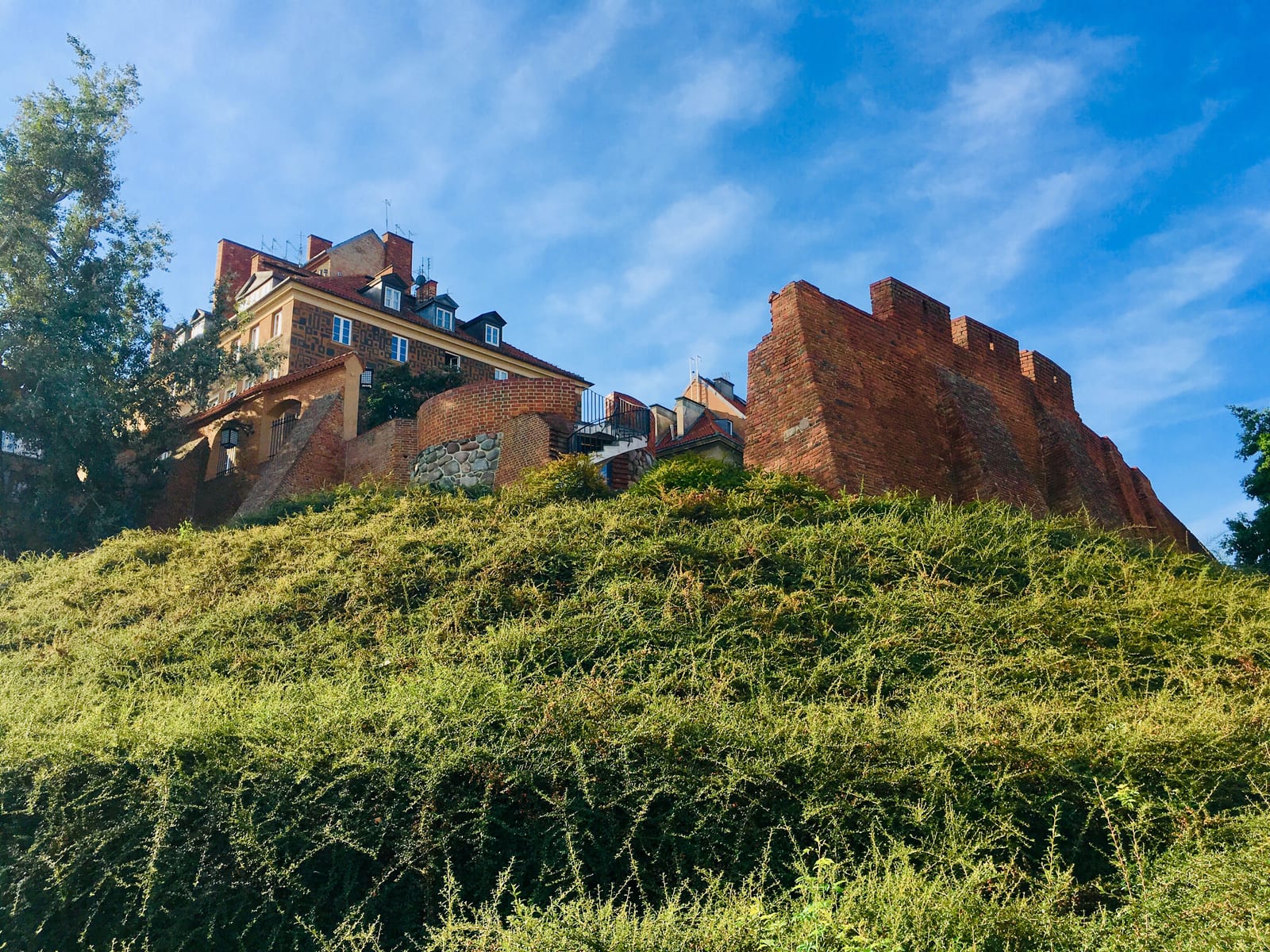
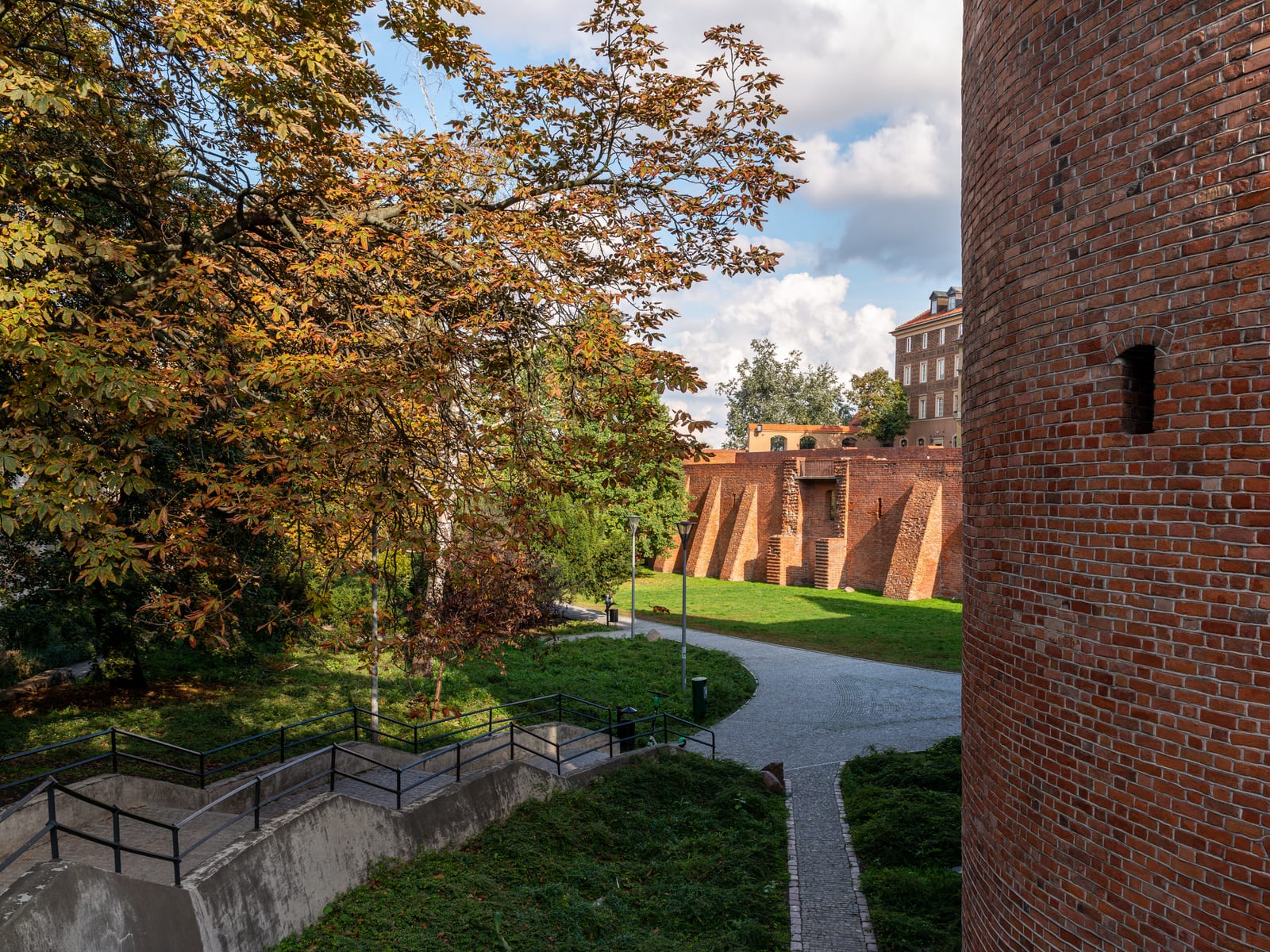
Идите на юг по улице Подвале, где у стен сохранился единственный фрагмент средневекового рва. Хорошо сохранившиеся доходные дома в районе Подвале, 83 — любимое место местных фотографов.
Рыночная площадь (Rynek Starego Miasta)
Сверните на Рыночную площадь — сердце восстановленного Старого города, окружённое домами в стиле XVII века, кафе и памятником Варшавской сирене.
Архикафедральный собор св. Иоанна и Королевский замок
Продолжите по улице Świętojańska мимо Архикафедрального собора св. Иоанна до Замковой площади. Королевский замок (Zamek Królewski) и Колонна Сигизмунда отмечают южный конец маршрута.
Петля обратно к барбакану
Вернитесь на север по улице Piwna или Długa, минуя памятник Варшавскому восстанию на площади Красинских, и снова окажетесь у барбакана.
Достопримечательности рядом в Старом городе
Всё, что стоит увидеть в радиусе десяти минут ходьбы от барбакана.
Рыночная площадь (Rynek Starego Miasta)
Восстановленная площадь XVII века с памятником Сирене
3 мин пешкомКоролевский замок (Zamek Królewski)
Восстановленная королевская резиденция и музей на Замковой площади
8 мин пешкомАрхикафедральный собор св. Иоанна
Старейшая церковь Варшавы, место коронаций и погребений монархов
6 мин пешкомПамятник Варшавскому восстанию
Бронзовый монумент на площади Красинских в честь повстанцев 1944 года
3 мин пешкомМузей Варшавы (Muzeum Warszawy)
Главное здание на Рыночной площади, 28; здесь же продают билеты на выставку в барбакане
4 мин пешкомЗамковая площадь и Колонна Сигизмунда
Исторические ворота на Королевский тракт и в Старый город
8 мин пешкомЛучшие места для фото
Где стены и ров дают лучшие кадры.
Улица Подвале, сторона рва
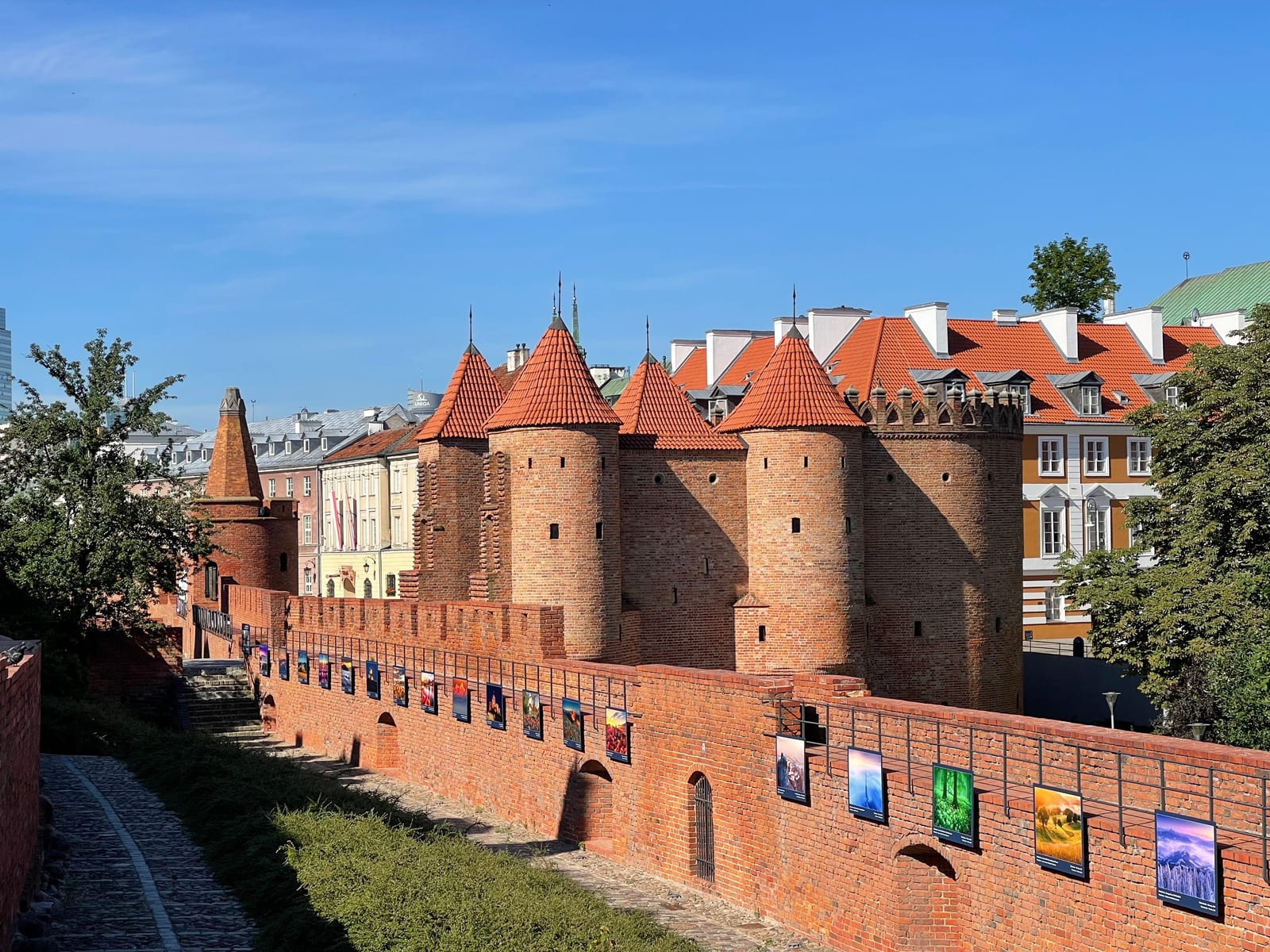
Классический открыточный кадр всего сооружения со рвом на переднем плане. Лучший утренний свет.
Северная сторона с Nowomiejska
Съёмка кирпичных башен на фоне застройки улицы Freta в золотой час.
Сверху на стенах
При хорошей погоде поднимитесь на стены — вид на площадь Красинских и Новый город сверху.
Ночная съёмка
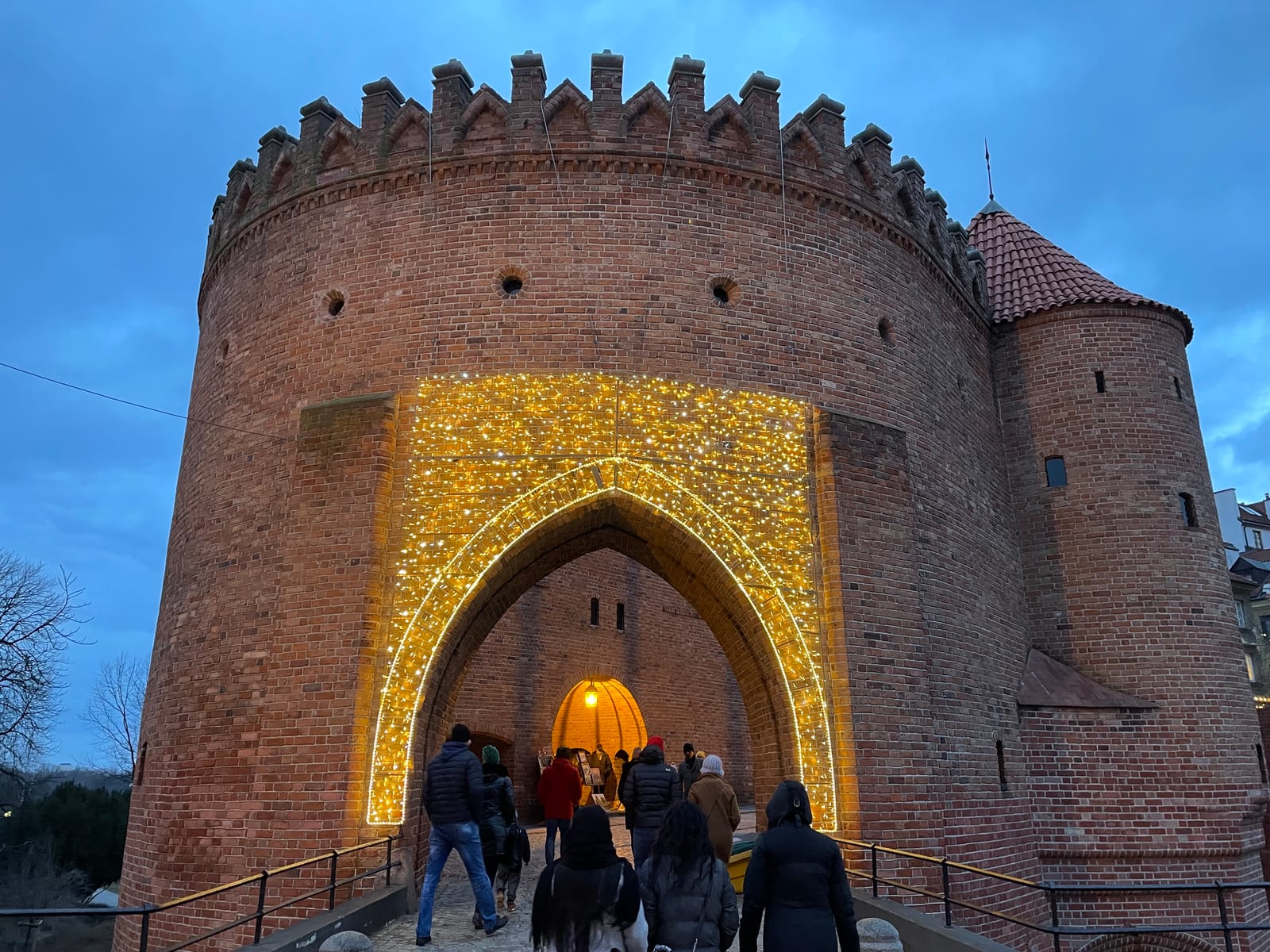
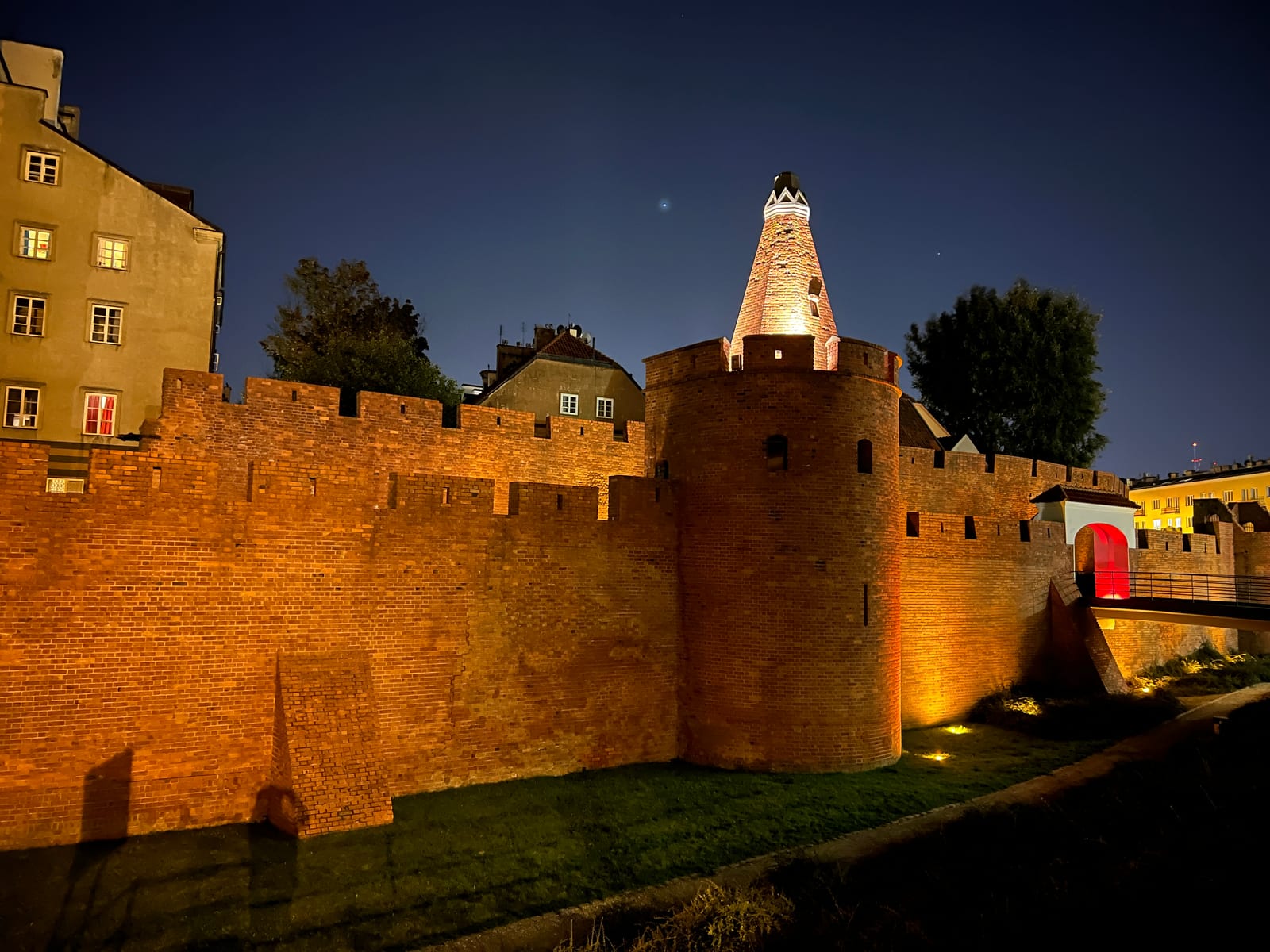
Барбакан подсвечивается после заката — длинные выдержки с перекрёстка Подвале выходят отлично.
Инфраструктура рядом
Практические услуги в самом центре Старого города (только типы, без коммерческих рекомендаций).
Общественные туалеты
У Рыночной площади и площади Красинских
Кафе и рестораны
Рыночная площадь, Świętojańska, Подвале
Отели и жильё
Районы Старого и Нового города
Сувенирные магазины
Рыночная площадь и улица Freta
Парковки
Площадь Красинских и Краковское предместье
Банкоматы
Район Старого города, рядом несколько банков
Продуктовые магазины и минимаркеты
Небольшие магазины на Подвале, Freta и Długiej; крупные супермаркеты в центре
Заправки и зарядки для электромобилей
Ближайшие станции у Вислы и в районе Marszałkowska, за пределами пешеходной зоны
Аптеки
Старый город и Nowy Świat; при необходимости проверьте дежурную аптеку
Прокат велосипедов и самокатов
Доступны безстанционные системы; езда по Старому городу ограничена
Истории и легенды
Факты и предания о единственных сохранившихся средневековых воротах Варшавы.
Построен в спешке
После пожара 1543 года и угрозы молдавского набега городской совет утвердил строительство барбакана в 1545 году; венецианский строитель завершил его за три года — быстро даже по ренессансным меркам.
Венецианский архитектор
Ян Баптиста Венецианин приехал в Польшу как специалист по артиллерийским укреплениям. Его варшавский барбакан остаётся одним из немногих таких сооружений, сохранившихся к северу от Альп.
Разобран кирпич за кирпичом
В XIX веке барбакан продали и разобрали, кирпич использовали в городе повторно — эту утрату местные историки оплакивают до сих пор.
Восстановлен старым кирпичом
Реконструкция 1952–1954 годов работы Захватовича и Подлевского использовала подлинный кирпич XVI века из Нысы и Ловича, чтобы новые стены выглядели по-настоящему старыми.
Ворота между двумя городами
Старая и Новая Варшава веками были отдельными муниципалитетами. Местные рассказывают, что именно у барбакана кончались фонари одного города и начинались другого — маленькая, но настоящая граница повседневной жизни.
Всемирное наследие
В 1980 году восстановленный исторический центр Варшавы — вместе с барбаканом — включили в список Всемирного наследия ЮНЕСКО как уникальный пример почти полной послевоенной реконструкции.
Откуда взялось название «барбакан»
Слово «барбакан» происходит от средневекового латинского barbacana — отдельного внешнего укрепления перед воротами. Лингвисты возводят его ещё дальше, к арабскому языку; оно распространилось по Европе вместе с военными инженерами, которые строили такие сооружения. Поэтому похожие ворота в Кракове, Гданьске и даже в Лондоне носят то же название.
Вернувшийся ров
Изначальный ров засыпали в XIX веке. При реконструкции барбакана в 1952–1954 годах сухой ров перед ним восстановили по гравюрам XVII века — поэтому вид со стороны рва до сих пор напоминает город до разделов.
Пережил восстание как руины
Во время Варшавского восстания 1944 года Старый город был систематически разрушен. Барбакан уцелел лишь в виде повреждённых фрагментов и был восстановлен только в 1952–1954 годах — поэтому сегодня он служит символом реконструкции самого города.
Фотогалерея
Варшавский барбакан и стены Старого города в фотографиях.
Что говорят посетители
“Бесплатный проход и одно из самых фотогеничных мест Старого города — вид на ров с улицы Подвале незабываем.”Отзыв на TripAdvisor
“Отличная атмосфера, словно время повернулось вспять. Поднимитесь на валы и насладитесь видом на площадь.”Отзыв на TripAdvisor
“Небольшой, но красивый — сочетайте его с Рыночной площадью и Королевским замком для идеальной полуторачасовой прогулки.”Отзыв на TripAdvisor
Частые вопросы
Практические ответы перед визитом.
Источники и дополнительное чтение
Информация на этой странице проверена по следующим официальным источникам.
Часы работы, билеты и информация о выставке
Практические детали и примечание о погоде
Официальный туристический портал города
Запись во Всемирном наследии (1980)
Маршруты и расписания трамваев и метро
Справочник трамвайной сети Варшавы
Погода у барбакана
Текущие условия и прогноз на 5 дней для Старого города
- Ощущается как: 17 °C
- Ветер: 21 km/h
- Влажность: 56%
Данные обновляются каждые 30 минут — источник: Open-Meteo · open-meteo.com ↗
Расположение и карта
Барбакан находится по адресу Nowomiejska 15/17, на северной оконечности Старого города.